Let's cut to the chase. If you're looking for a houseplant that's almost impossible to kill, looks sculptural and modern, and thrives on a bit of neglect, the Haworthia zebra plant is your winner. I've grown these stripy little gems for over a decade, and they've survived my early overwatering phases, dark apartment corners, and even a few forgetful months. They're not just survivors; they're delightful, slow-growing companions. This guide isn't just a rehash of basic care tips. I'm going to walk you through the exact steps I use to keep mine flourishing, point out the subtle mistakes most beginners make (and even some experienced growers repeat), and show you how to propagate them so you can share the love.
What's Inside This Guide
- Getting to Know Your Haworthia Zebra Plant
- The Perfect Home: Light and Placement for Your Haworthia
- Watering: How to Avoid the #1 Killer of Zebra Plants
- Soil and Potting: The Foundation of Health
- Feeding, Propagating, and Watching it Grow
- Troubleshooting: Reading Your Plant's Signals
- Your Haworthia Zebra Plant Questions, Answered
Getting to Know Your Haworthia Zebra Plant
First, a bit of clarity. "Zebra plant" can refer to a few different plants. The one we're talking about is a succulent from South Africa, scientifically part of the Haworthiopsis genus (formerly Haworthia). The two you'll most commonly see are Haworthiopsis fasciata (the "true" zebra plant with white tubercles mostly on the outside of the leaves) and Haworthiopsis attenuata (which has bumps on both sides). For home care, the distinction doesn't matter much—they need the same treatment.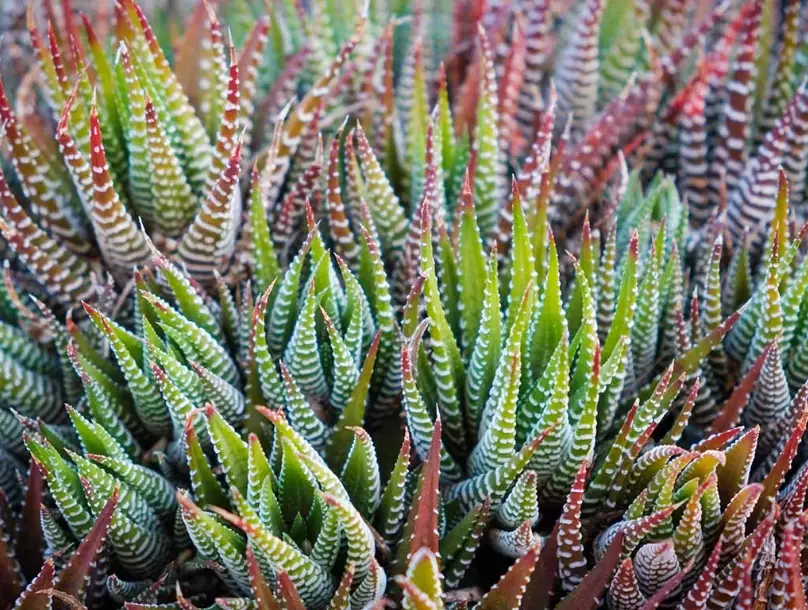
They grow in a tight rosette, rarely taller than 5-8 inches. Their charm is in the stark, white, horizontal stripes or raised dots against the deep green, sometimes purpling, flesh. They're slow. Don't expect a dramatic growth spurt. A good year means a few new leaves and maybe an offset or two. That's part of their appeal—a steady, low-drama presence.
The Perfect Home: Light and Placement for Your Haworthia
Here's the biggest myth: "Haworthias love low light." That's only half true. They tolerate lower light better than many succulents, but they don't love it. Think of their native habitat—bright, but often shaded by rocks or taller plants. They prefer bright, indirect light.
Ideal Light Scenarios
An east-facing window is prime real estate. It gets gentle morning sun. A west-facing window can work if filtered by a sheer curtain. A south-facing window is great in winter, but might be too intense in summer—pull it back a few feet. North-facing windows often don't cut it unless they're very large and unobstructed.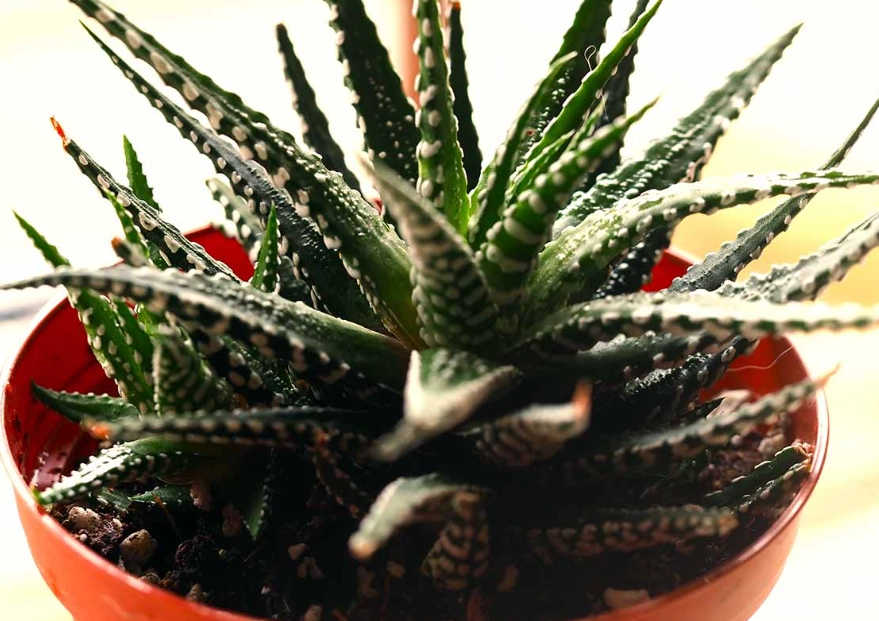
The Artificial Light Solution
No good window? No problem. These plants are champions under grow lights. A simple LED panel or bulb for 6-8 hours a day will keep it perfectly content on a desk or shelf far from any window. This is my go-to solution for keeping the coloration vibrant in darker rooms.
Watering: How to Avoid the #1 Killer of Zebra Plants
Overwatering. It's the end of most haworthias. Their roots are fine and prone to rot in constantly damp soil. I learned this the hard way with my first one, a beautiful specimen I loved to death—literally—by watering it weekly.
The Golden Rule: Soak and Dry. Don't water on a schedule. Water only when the soil is completely dry all the way through the pot. For a small pot, this might be every 2-3 weeks in summer. In winter, with cooler temps and less light, it could be once a month or even longer.
How to Check for Dryness
For plastic pots, lift it. A dry pot is surprisingly light. For ceramic, stick a wooden chopstick or skewer deep into the soil. If it comes out clean and dry, it's time. You can also gently feel the soil through the drainage hole. When in doubt, wait another 3-5 days. These plants store water in their leaves; they can handle drought far better than flood.
When you do water, do it thoroughly. Take it to the sink and run water through the soil until it flows freely out the bottom. This ensures the entire root ball gets moisture. Then, let it drain completely before putting it back in its decorative cover or saucer. Never let it sit in water.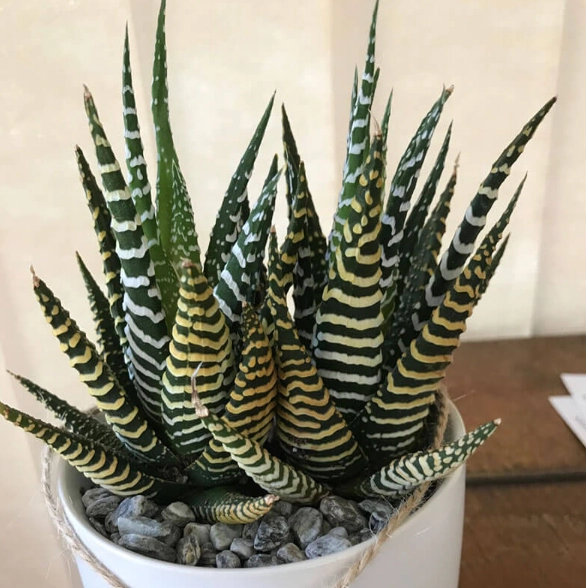
Soil and Potting: The Foundation of Health
Watering correctly is impossible with the wrong soil. Standard potting soil holds too much moisture. You need a fast-draining, gritty mix.
My DIY Mix (it's simple): 50% bagged succulent & cactus mix, 50% perlite or pumice. The perlite/pumice is non-negotiable—it creates air pockets and prevents compaction. You can also add a handful of coarse sand.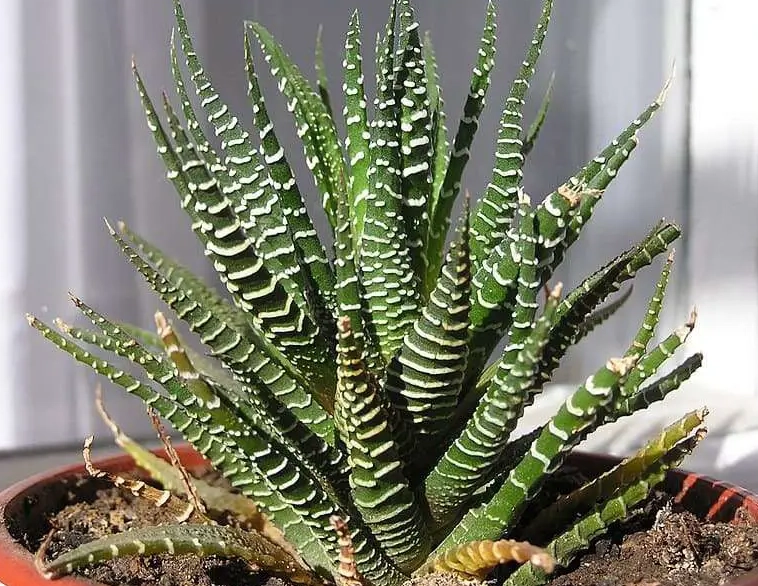
Pot Choice is Critical
Always use a pot with a drainage hole. Terracotta (clay) pots are ideal for beginners because they're porous and help wick away moisture from the soil, reducing the risk of overwatering. A pot that's only slightly larger than the root ball is best. These are shallow-rooted plants; a deep pot holds wet soil below where the roots can reach, creating a soggy, rotten environment.
Repotting is rarely needed—every 2-3 years is plenty. The best time is in spring or early summer when the plant is entering its active growth phase.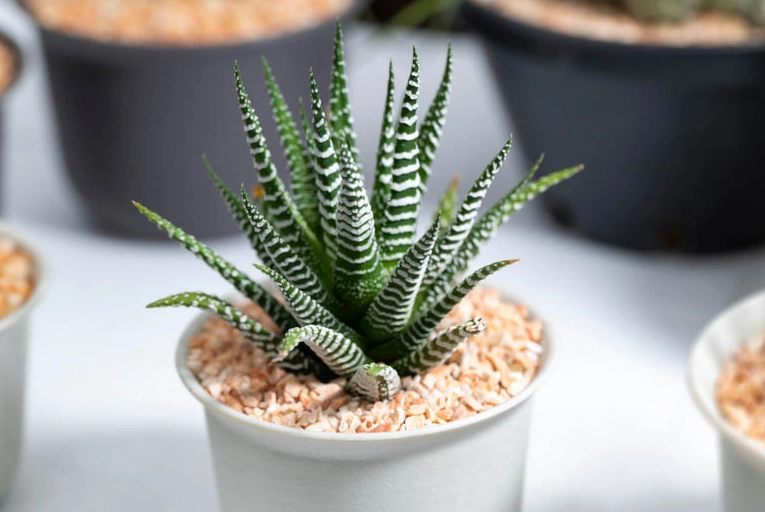
Feeding, Propagating, and Watching it Grow
Fertilizing is simple. During the growing season (spring and summer), use a balanced, water-soluble fertilizer diluted to half-strength once a month. Do not fertilize in fall and winter. More is not better; a mild feeding is all it needs.
Propagation: Making More Zebras
The joy of haworthias is making new plants from offsets, called "pups." A healthy plant will produce these little clones at its base.
Wait until the pup is about one-third the size of the mother plant. Gently remove the entire plant from its pot. You'll see the pup connected by a stem or root. Using a clean, sharp knife, cut the pup away, trying to keep some roots attached if possible. Let the cut end callous over for a day or two, then plant it in its own small pot with dry succulent mix. Don't water it for about a week to allow roots to heal and form, then water lightly. Place in bright, indirect light and treat it as a mature plant.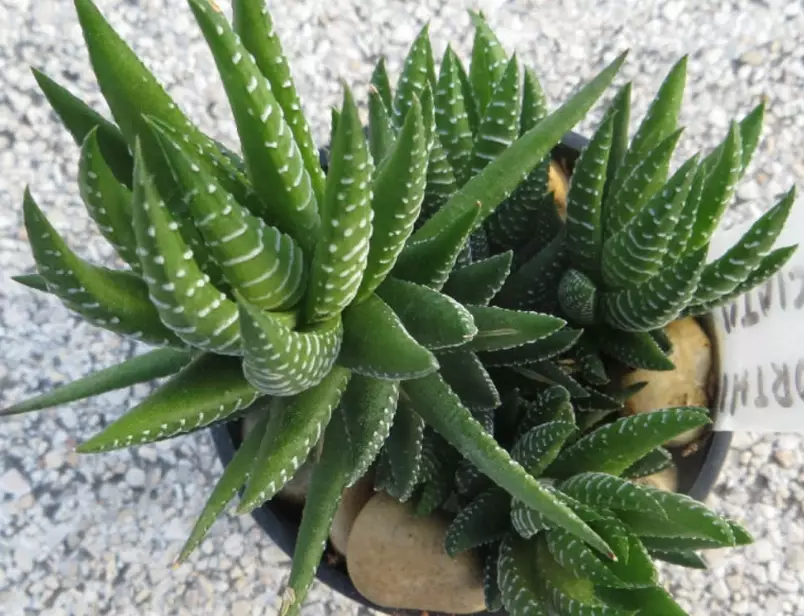
Troubleshooting: Reading Your Plant's Signals
Your zebra plant talks to you through its leaves. Here’s a quick decoder.
| Symptom | Likely Cause | How to Fix It |
|---|---|---|
| Soft, mushy, translucent leaves | Overwatering / Root Rot | Stop watering immediately. Remove plant from pot, cut away any black/brown mushy roots. Let it dry out for several days, then repot in fresh, dry mix. Water only after a week. |
| Leaves curling inwards, dry and crispy | Severe Underwatering | Give the plant a thorough soak. If the soil is hydrophobic (repels water), soak the entire pot in a basin of water for 30 minutes. |
| Brown, crispy leaf tips | Low humidity or mineral buildup from tap water | This is often cosmetic. You can trim the brown tip with clean scissors. Try using filtered, rainwater, or distilled water for future watering. |
| Stretched, pale, elongated growth | Not enough light (Etiolation) | Gradually move to a brighter location. The stretched part won't shrink back, but new growth will be compact. You can behead and replant the compact top later. |
| Red or purple tinge on leaves | Often a response to strong light (sun stress) | This is usually not harmful and can be attractive. If combined with scorched brown patches, move to slightly less intense light. |
| No growth or pups for years | Potentially too large a pot, poor soil, or insufficient light | Re-evaluate light first. Consider downsizing the pot if it's huge. Ensure you're using a gritty, well-draining mix. |
Your Haworthia Zebra Plant Questions, Answered
At the end of the day, the Haworthia zebra plant is a testament to subtle beauty and resilience. It won't demand daily attention, but it will reward consistent, correct care with years of striking presence. Start with the right light, master the soak-and-dry method, give it gritty soil, and you'll have a thriving, pup-producing succulent that makes you look like a plant expert. Now go check if your soil is dry.
Comments