Quick Guide
You’ve probably seen it—the jade plant, with its thick, glossy leaves and sturdy, tree-like trunk. It sits on office desks, in sunny living room corners, and seems to just... exist. But let me tell you, there's a lot more to the jade succulent than meets the eye. It’s not just a decorative piece of greenery; it's a resilient companion that can live with you for decades if you know its secrets. I’ve had my main Crassula ovata (that's its proper name) for over fifteen years. I’ve nearly killed it twice, and it’s bounced back both times. That taught me more about plant care than any book ever did.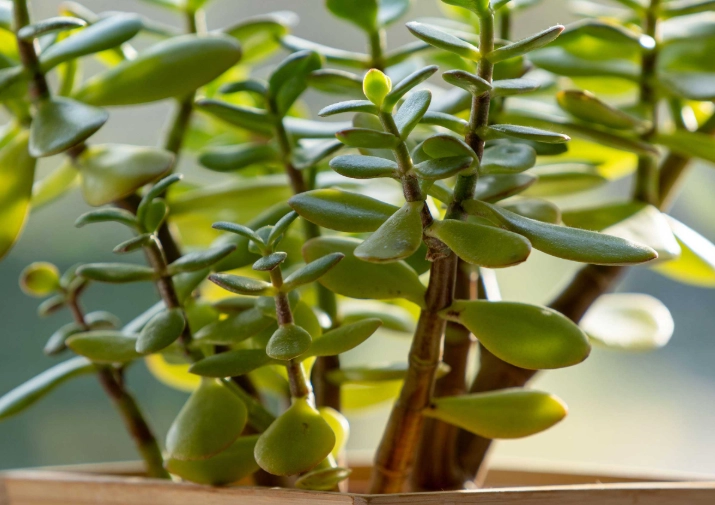
So, why is this plant so popular? Is it really as easy as they say? The short answer is yes, but the long answer is where things get interesting. This guide isn't about repeating the same old "water sparingly" advice. We're going deep. We'll talk about why your jade's leaves are wrinkly, how to make it branch out like a proper mini-tree, and even whether those "good luck" claims hold any water. Think of this as a conversation with a fellow plant enthusiast who’s made the mistakes so you don't have to.
Getting to Know Your Jade Plant
First things first. The jade succulent is native to South Africa. It's a true succulent, meaning it stores water in its leaves, stems, and roots. This is its superpower and the key to understanding everything about its care. Those plump leaves are its water reservoirs. When they're firm and glossy, the plant is happy. When they start to get soft or wrinkly, it's sending you a signal.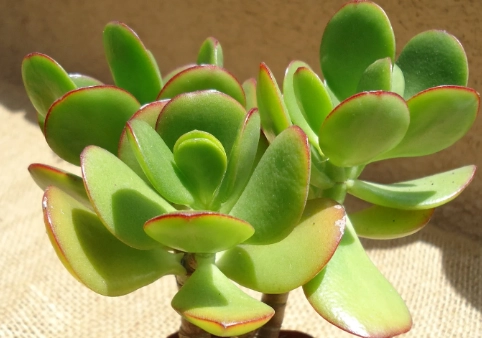
There are many varieties beyond the standard green. You might find 'Hobbit' with its tubular leaves, 'Gollum' with suction-cup-like tips, or the stunning 'Tricolor' with creamy white and pink edges. The care fundamentals are the same, but the look can be dramatically different. I personally find the classic green one the most forgiving, but the variegated types are stunning if you have really good light.
One common misconception is that it's a cactus. It's not. While both are adapted to dry conditions, jade plants have different needs, especially when it comes to light intensity and cold tolerance. Treating it like a cactus is a fast track to an unhappy plant.
The Non-Negotiable Basics: Light, Water, Soil
This is the core of jade succulent care. Get this triad right, and 90% of your problems disappear.
Sunlight: The Energy Source
Jade succulents need bright light. I mean, really bright light. A south-facing or west-facing window is ideal. East can work, but north is usually a no-go unless it's incredibly bright. Here's the thing: if your jade isn't getting enough light, it will tell you. It starts stretching out, with longer spaces between leaves (this is called etiolation). The stems become weak and leggy. The rich green color may fade.
On the flip side, can they get too much sun? Absolutely. If you move a plant accustomed to low light directly into blazing afternoon sun, the leaves can scorch, leaving permanent brown or white marks. The trick is to acclimate it slowly. A few hours of direct morning sun is perfect. My plants get about 4-6 hours of direct sun through an east-facing window, and they are compact and deeply colored. If you only have lower light, consider supplementing with a grow light. It makes a world of difference, especially in winter.
Watering: The Art of Neglect
This is where most people, myself included in the early days, mess up. Overwatering is the #1 killer of jade plants. You must, must, must let the soil dry out completely between waterings. I don't mean just the top inch. I mean the entire pot should feel light when you lift it.
My method? I stick my finger deep into the soil, almost to the bottom of the pot. If I feel any moisture or coolness at all, I walk away. I wait. In the summer, this might be every 10-14 days. In the winter, when growth slows, it can be once a month or even less. The plant's water needs are directly tied to light and heat. More light and heat = more frequent watering. Low light and cool temps = very infrequent watering.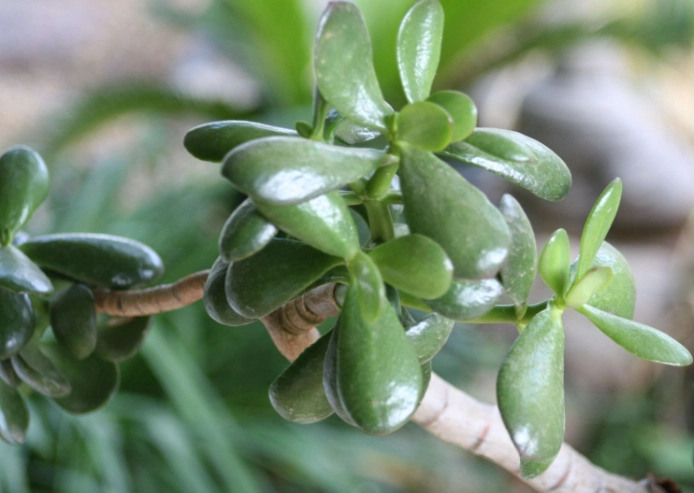
When you do water, do it thoroughly. Take the plant to the sink and soak the soil until water runs freely out of the drainage holes. This ensures the entire root ball gets moisture. Then, let it drain completely before putting it back in its decorative pot. Never let it sit in a saucer of water. That's an invitation for root rot.
Soil and Pot: The Foundation
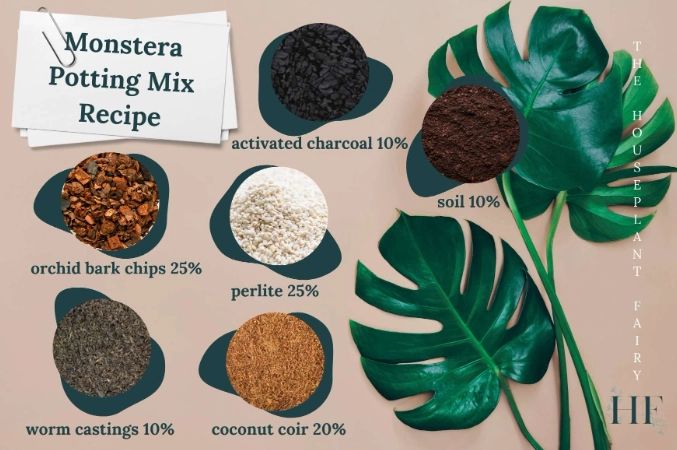
Regular potting soil holds too much moisture. Your jade succulent needs a fast-draining mix. You can buy a pre-made cactus & succulent mix, but I like to make my own for better control. A simple recipe is:
- 50% regular potting soil
- 50% perlite or pumice (for drainage)
- A handful of coarse sand (optional, but helps)
This mix ensures water flows through quickly, preventing the roots from sitting in wetness. The pot matters too. Always use a pot with a drainage hole. Terracotta pots are excellent for jade plants because they are porous and allow the soil to dry out faster, which reduces the risk of overwatering. Plastic or glazed ceramic pots retain moisture longer, so you need to be even more careful with your watering schedule.
Beyond Survival: How to Make Your Jade Thrive
Okay, so you've kept it alive. Now, how do you make it bushy, beautiful, and maybe even get it to flower?
Feeding: Less is More
Jade plants are not heavy feeders. In fact, over-fertilizing can do more harm than good, causing weak, leggy growth or even burning the roots. Feed it only during its active growing season, which is spring and summer. A balanced, water-soluble fertilizer (like a 10-10-10) diluted to half-strength once a month is plenty. In fall and winter, stop fertilizing completely. The plant is resting.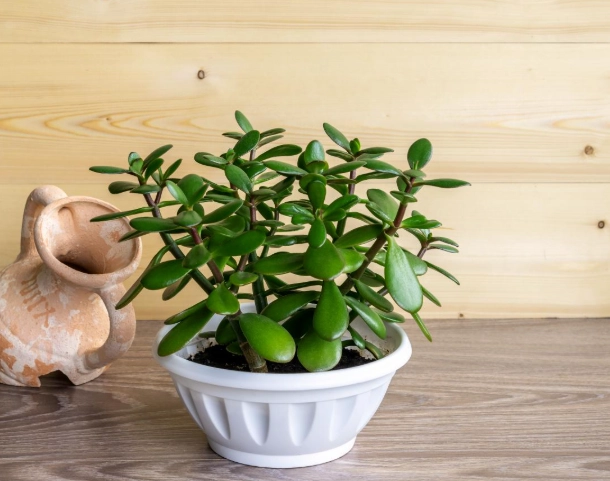
Pruning and Shaping: Becoming a Mini-Tree
This is the fun part. Without pruning, a jade can become a lanky, top-heavy mess. Pruning encourages branching, which creates a fuller, tree-like shape. Always use clean, sharp scissors or pruning shears.
Where do you cut? Look for a pair of leaves on the stem. Make your cut just above those leaves. In a few weeks, you should see one or two new branches sprout from that point. You can also remove any weak, spindly, or dead growth. Don't be afraid to prune! It feels scary the first time, but the plant responds remarkably well. I prune my main plant every spring to maintain its shape.
Propagation: Making More Plants
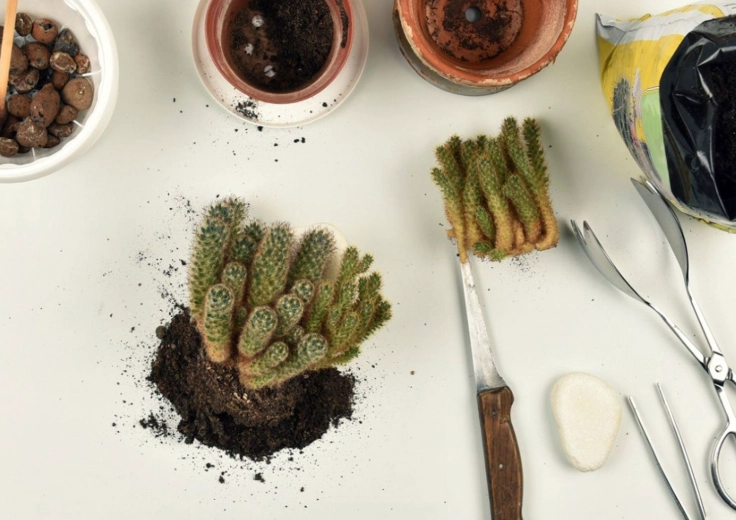
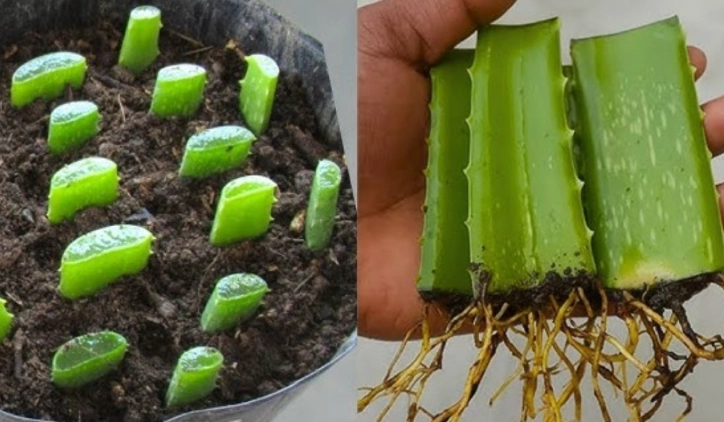
One of the greatest joys of owning a jade succulent is how easy it is to propagate. You can literally break off a leaf or a stem, let it dry for a few days, and stick it in soil. It's almost foolproof.
- Leaf Propagation: Gently twist a healthy, plump leaf from the stem. Let it sit on a dry surface for 2-3 days until the broken end forms a callus. Then, just lay it on top of moist succulent soil. Don't bury it. Mist the soil lightly every few days. In a few weeks, tiny roots and a baby plant will emerge from the callused end.
- Stem Cutting Propagation: This is faster. Take a 3-4 inch stem cutting. Let it callus for a few days. Then, insert the callused end about an inch into moist succulent soil. Don't water it heavily at first; just keep the soil slightly moist. Roots will form in a few weeks.
I've given away dozens of baby jade plants to friends this way. It's incredibly rewarding.
Solving the Most Common Jade Succulent Problems
Let's troubleshoot. Here’s a quick-reference table for the issues you're most likely to face.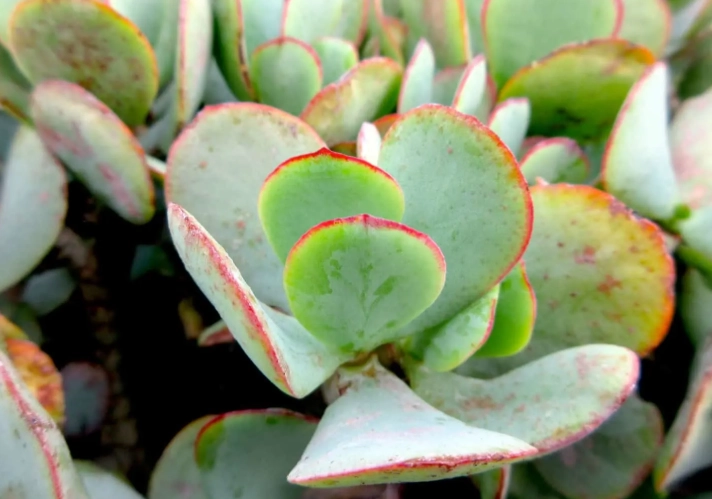
| Symptom | Likely Cause | How to Fix It |
|---|---|---|
| Leaves are wrinkly, thin, and soft | Underwatering. The plant is using up its stored water. | Give the soil a thorough soak. The leaves should plump up in a day or two. |
| Leaves are yellowing, soft, and falling off | Overwatering. The most common killer. | Stop watering. Check roots for rot (brown/mushy). If present, cut away rot, repot in dry mix. |
| Brown, crispy spots on leaves | Sun scorch. Too much direct, hot sun too quickly. | Move to a spot with bright but indirect light. Acclimate slowly to direct sun. |
| Leggy growth, large spaces between leaves | Insufficient light. The plant is stretching for the sun. | Gradually move to a brighter location or add a grow light. |
| Black spots on leaves | Could be a fungal issue, often due to excess moisture on leaves. | Improve air circulation. Avoid getting leaves wet when watering. Remove affected leaves. |
| White, cottony masses on stems/leaves | Mealybugs. A common pest. | Dab insects with a cotton swab dipped in rubbing alcohol. Repeat weekly until gone. |
Your Jade Succulent Questions, Answered
The Long-Term Relationship
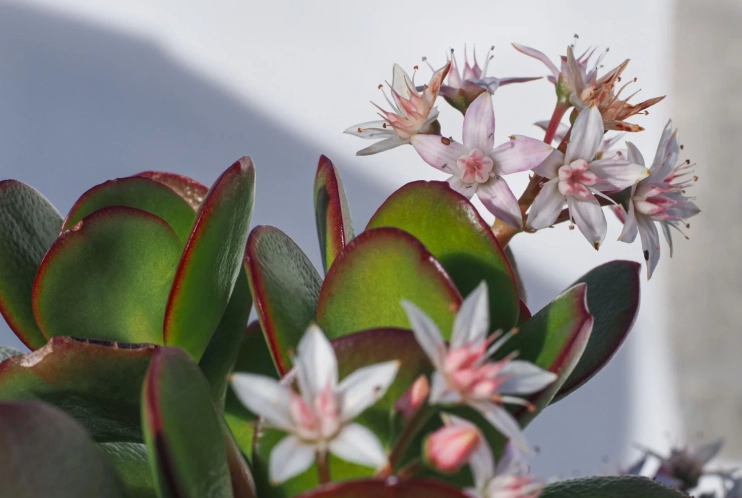
Caring for a jade succulent is a marathon, not a sprint. It’s about observing and responding. That slight droop of a lower leaf, the red tinge on the leaf edges from good sun exposure, the satisfying firmness of a well-watered plant—these are the small conversations you have with it.
It’s not a fussy plant, but it’s not entirely bulletproof either. It demands your attention in its own quiet way. Forget it for a month in the winter? It might be perfectly fine. Baby it with daily water? It will likely die. The balance is everything.
Start with the basics—bright light, infrequent deep watering, and gritty soil. Master that. Then, experiment with pruning to shape it. Try propagating a leaf. See if you can provide the conditions to encourage a bloom. The jade succulent is a wonderfully patient teacher. It rewards consistency and punishes over-attention in equal measure. Give it what it truly needs, not what you think it needs, and you’ll have a loyal, beautiful green friend for a very, very long time.

Comments