Let's be real. You probably killed your first succulent by giving it too much love in the form of water. I know I did. That little Echeveria sat on my desk, and I thought a sip every few days would keep it happy. It turned into a mushy, translucent mess within a month. The biggest mistake in succulent care isn't neglect—it's overwatering. So, how do you water succulents correctly? Forget the "once a week" rule. It's garbage. Proper watering is a dance between observation, understanding your plant's needs, and your specific environment. This guide will walk you through exactly how to master it.
What You'll Learn
Why Overwatering is the #1 Killer of Succulents
Succulents store water in their leaves, stems, or roots. That's their superpower for surviving drought. Their roots are adapted to absorb water quickly when it's available and then breathe in dry soil. Constantly wet soil smothers the roots. They can't get oxygen, they start to rot, and that rot travels up the plant. By the time you see mushy leaves, the damage underground is often severe.
Here's a nuance most guides miss: overwatering isn't just about volume, it's about frequency and soil retention. A small amount of water too often is worse than a big soak occasionally if the soil stays damp for days. The goal is to mimic a desert downpour: a thorough soaking followed by a complete dry-out period.
When to Water Your Succulents: The 3 Tell-Tale Signs
Throw away your calendar. Your plant will tell you when it's thirsty. Here’s what to look for, in order of reliability.
1. The Finger Test (The Gold Standard)
Stick your finger into the soil, down to at least the second knuckle. If the soil is completely dry all the way down, it's time to water. If you feel any coolness or moisture, wait. For smaller pots, you can use a wooden chopstick or skewer. If it comes out clean and dry, you're good to go.
2. The Leaf Test (Visual & Tactile)
Gently squeeze a lower, mature leaf. A well-hydrated succulent leaf will feel firm and plump. A thirsty leaf will feel softer, thinner, and may have slight wrinkles. Don't test the new growth at the center—it's always softer. This method is great for plants like Echeveria and Graptopetalum.
3. The Pot Weight Test (The Pro Move)
Lift the pot. A pot with dry soil is significantly lighter than one with wet soil. This takes practice but becomes the fastest method. Pick up your pot right after you water to feel the "heavy" baseline. Check it again a week or two later to feel the difference.
How to Water Succulents Properly: The Soak and Dry Method
When it's finally time, don't be shy. Here's the step-by-step process.
Step 1: Water Thoroughly, Not Lightly. Take your plant to the sink or use a watering can with a long spout. Pour water evenly over the soil until it is completely saturated. You should see water flowing freely out of the drainage holes at the bottom. This ensures the entire root ball gets moisture, encouraging roots to grow deep and strong.
Step 2: Let it Drain Completely. This is non-negotiable. Leave the plant in the sink or on a draining rack for at least 15-30 minutes. Let all the excess water drip out. Never let your succulent sit in a saucer full of water. Empty the saucer if you use one.
Step 3: Return to Its Spot. Only put the plant back in its decorative pot or on its shelf once it has fully drained.
What about bottom watering? It's a fantastic alternative, especially for dense rosettes that don't like water sitting in their crowns. Simply place the pot in a tray of water for about 20-30 minutes, allowing the soil to wick moisture up from the bottom. Then, remove and drain.
Seasonal Watering Adjustments: Your Year-Round Schedule
Your succulent's thirst changes with the seasons and light levels. A rigid schedule will fail. Here’s a framework based on growth cycles.
| Season | Plant Activity | Watering Frequency Guide | Key Consideration |
|---|---|---|---|
| Spring & Summer | Active Growth Period | Most frequent. Check soil every 7-14 days. | Higher light and heat dry soil faster. Water only when soil is completely dry. |
| Fall | Growth Slows | Start to space out watering. Check every 2-3 weeks. | As daylight decreases, plants drink less. Err on the side of underwatering. |
| Winter | Dormancy (for many) | Least frequent. Can be once a month or even longer. | Cool temps and low light mean soil stays wet for ages. Water very sparingly, just enough to prevent severe shriveling. |
These are guidelines. A succulent under a strong grow light in a warm room in winter may need more water than one on a dim, cool windowsill in summer. Always go back to the signs.
Your Pot and Soil Matter More Than You Think
Watering success is 50% technique, 50% setup. You can do everything right, but if your plant is in the wrong container or soil, it will struggle.
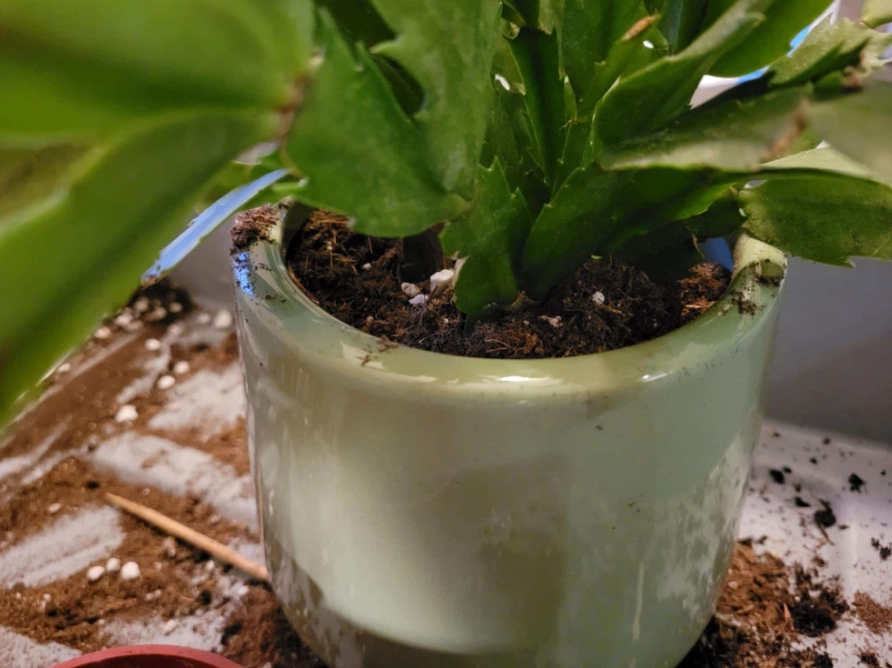
The Pot: Drainage holes are mandatory. No debate. Material matters too. Terracotta clay pots are porous, allowing soil to dry from the sides as well as the top, making them the safest choice for beginners. Glazed ceramic or plastic pots retain moisture longer, so you must water less frequently. Choose a pot that's just slightly larger than the root ball; a huge pot holds too much wet soil.
The Soil: Regular potting soil holds too much moisture. You need a fast-draining mix. A good starting formula is a 50/50 blend of regular potting soil and perlite or pumice. For advanced growers or humid climates, a gritty mix with little to no organic soil (using things like turface, granite chips, and pine bark) is even better. I buy a bag of cactus/succulent mix and then add extra perlite to it—the bagged mixes are often not gritty enough on their own.
Common Watering Mistakes to Stop Today
- Misting or Spraying: Succulents aren't tropical ferns. Light spraying only dampens the top layer of soil, encouraging weak surface roots and leaving the main root ball dry. It can also cause rot if water sits in leaf rosettes.
- Watering on a Schedule: "Every Tuesday" is a death sentence. Your home's humidity, temperature, light, and pot size create a unique microclimate.
- Using a Pot Without Drainage: You're creating a miniature swamp. Roots will rot. If you absolutely must use a cachepot (a decorative outer pot), treat the inner plastic pot as the real pot—take it out to water and drain, then put it back.
- Watering Right After Repotting: When you repot, you create tiny root injuries. Watering immediately increases rot risk. Wait 4-7 days before the first soak to let any damaged roots callous over.
Your Succulent Watering Questions Answered
The secret to watering succulents isn't a secret at all. It's about paying attention. Ditch the schedule, learn the signs of thirst, give a deep drink when needed, and then leave them alone. Your reward will be plump, colorful, and resilient plants that thrive for years. It's less about a green thumb and more about developing a keen eye. Now go check your plants—with your finger, not the watering can.

Comments