Quick Navigation
- The Golden Rules: What You Need Before You Start
- Method One: Water Propagation (The Visual, Low-Stakes Way)
- Method Two: Soil Propagation (The Direct, No-Transplant Method)
- Water vs. Soil: Which Golden Pothos Propagation Method Wins?
- Propagating a Long, Leggy Vine: The "Chop and Prop" Rescue
- The Make-or-Break Factors for Success
- From Propagated Cutting to Established Plant: The Care Bridge
- Frequently Asked Questions (The Stuff You Actually Search For)
Let's be real for a second. Buying new houseplants gets expensive. That gorgeous golden pothos spilling over the shelf at the garden center? You want more of that vibe in your home, but your wallet says no. Here's the secret every seasoned plant parent knows: you don't need to buy more. You just need to learn the art of golden pothos propagation.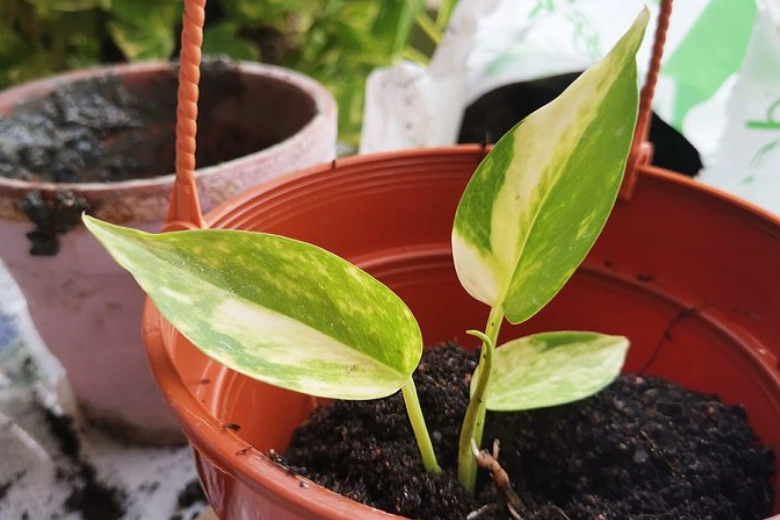
It's almost too easy. Seriously, this plant wants to be cloned. I remember my first attempt years ago. I snipped a bit off a friend's plant, stuck it in a jam jar of water on my windowsill, and crossed my fingers. A few weeks later, little white roots were snaking through the glass. That feeling of creating new life from a snippet? Pure magic. And it's a magic you can repeat endlessly.
This guide isn't just a quick list of steps. We're going deep. We'll cover the two main methods—water and soil—in ridiculous detail, compare them head-to-head, troubleshoot every common failure (yes, including the dreaded rot), and answer every question that might pop into your head mid-process. By the end, you'll look at your existing pothos not just as a plant, but as a motherlode of future green buddies.
Why even bother with golden pothos propagation? Beyond saving money, it's about connection. Giving a baby plant you grew yourself to a friend is a different kind of gift. Rescuing a leggy, sad-looking plant by chopping and re-propagating it is deeply satisfying. It turns you from a plant owner into a plant cultivator.
The Golden Rules: What You Need Before You Start
You can't just hack away at your plant with kitchen scissors. Well, you could, but you'll have better results with a tiny bit of prep. The goal is to minimize stress on both the cutting and the parent plant.
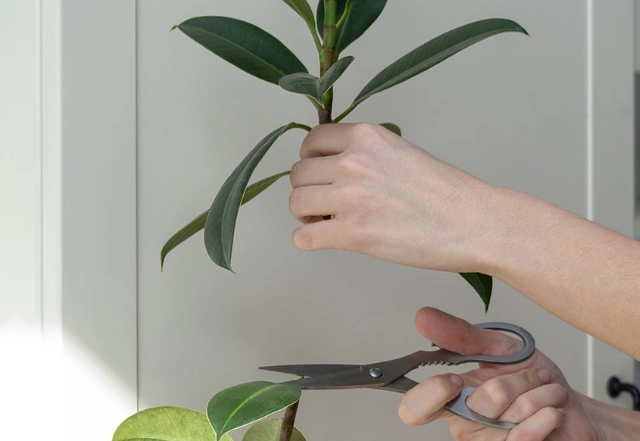
The Right Tools: A clean, sharp pair of scissors or pruning shears is non-negotiable. I use a cheap pair of precision snips from the hardware store, wiped down with rubbing alcohol. Why clean? You're making an open wound. The last thing you want is to introduce bacteria or fungus that could rot the cutting or infect the mother plant. A dirty blade is the number one cause of failed golden pothos propagation that people don't suspect.
Timing is (Sort of) Everything: The best time is during its active growing season, which is spring and summer. The warm temperatures and longer days signal the plant to grow, so it pushes out roots faster. But here's a personal tip: I've successfully propagated golden pothos in the dead of winter under a grow light. It was slower, but it worked. So don't feel like you must wait for perfect conditions. If your plant is growing, you can try.
Choosing the Mother Vine: Look for a healthy, vigorous vine. The leaves should be firm and brightly variegated (if that's the type you have). Avoid sections that look yellowed, wilted, or have any signs of pests. You want the A-team genetic material for your new plant.
Pro Tip from Hard Experience: Water your parent plant a day or two before you take cuttings. A well-hydrated plant gives you turgid, healthy cuttings that are less likely to wilt immediately. Taking cuttings from a thirsty plant is an uphill battle.
Method One: Water Propagation (The Visual, Low-Stakes Way)
This is the gateway method for most people, and for good reason. It's simple, it's clean, and watching those roots grow is incredibly rewarding. It's like a live science experiment on your counter. The entire process of golden pothos propagation in water feels interactive and forgiving.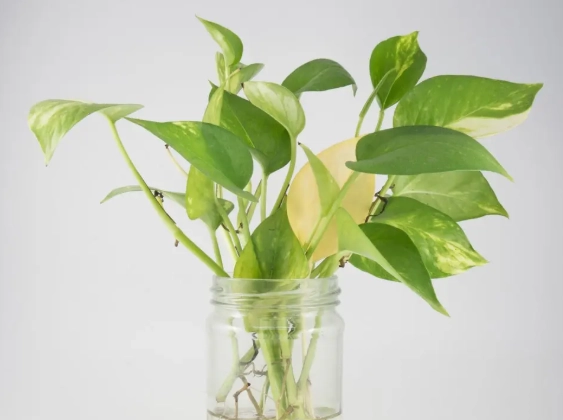
Step-by-Step: From Snip to Rooted Cutting
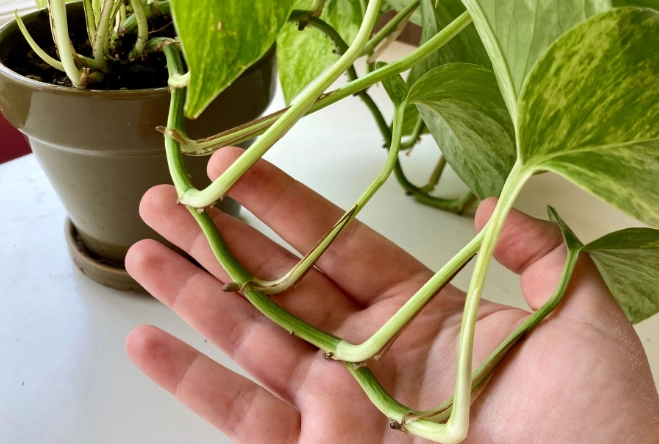
1. The Perfect Cutting: Find a section of vine with at least 3-4 leaves. Look closely at the stem. See those little brownish bumps opposite each leaf? Those are nodes. This is the single most important part of the whole operation. Roots only grow from nodes. Make your cut about a half-inch below a node. You want that node to be submerged. The cutting itself should be 4-6 inches long.
2. Prep the Cutting: Remove any leaves that would sit below the waterline. Submerged leaves will rot, turn the water foul, and likely doom your cutting. Just pinch them off cleanly.
3. The Vessel & Water: Use a clear glass, jar, or vase. Clear is key—you want to see the roots! Fill it with room-temperature water. Tap water is usually fine, but if yours is very hard or heavily chlorinated, letting it sit out overnight can help. Some people swear by filtered or distilled water. I've used plain tap water for 90% of my propagations without issue.
4. The Waiting Game: Place your jar in a spot with bright, indirect light. A north or east-facing windowsill is perfect. Avoid direct, hot sun which can cook the cutting or promote algae growth in the water. Now, you wait.
Change the water once a week, or if it starts to look cloudy. This refreshes oxygen and prevents bacterial build-up. In about 1-3 weeks, you should see tiny white nubs emerging from the node. Those are your roots! Let them grow until they're a couple of inches long and have some secondary roots branching off. This usually takes 4-6 weeks total.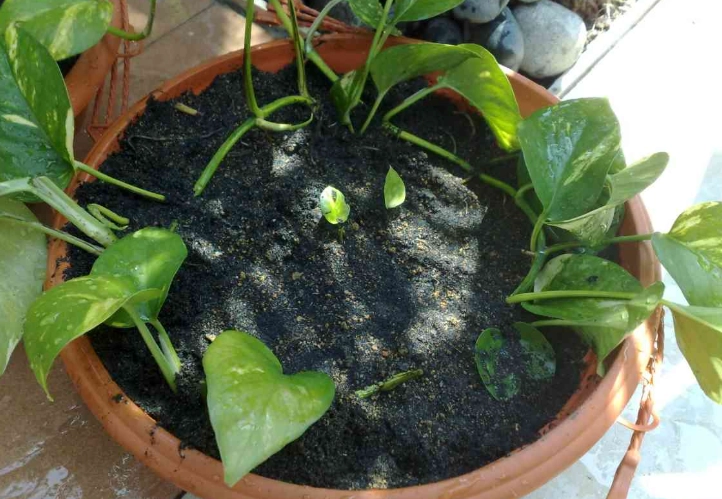
Watch Out For This: If the stem near the node gets mushy and brown, that's rot. The cutting is a goner. Toss it, sterilize your jar, and start over. This usually happens from a dirty cut, a submerged leaf, or stagnant water.
I love water propagation for its simplicity. But it does have a downside people don't talk about much. The roots that grow in water are different from roots that grow in soil. They're adapted to absorbing water directly. When you eventually pot them in soil, they have to adapt again, which can cause some transplant shock. The plant might wilt or pause growing for a week or two. It's normal, but it can be scary for a beginner.
Method Two: Soil Propagation (The Direct, No-Transplant Method)
This method skips the middleman. You root the cutting directly in its final (or semi-final) home: soil. It's a bit more of a leap of faith because you can't see what's happening underground, but it often results in a stronger, faster-growing plant in the long run since it never has to transition from water roots to soil roots.
How to Propagate Golden Pothos in Soil Successfully
You start the same way: with a healthy cutting that includes at least one node. Prepare it identically. The magic is in the soil and the setup.
The Right Mix: Do NOT use dense, moisture-retentive garden soil or a cheap, peaty potting mix that stays soggy. You need a well-draining, airy mix. I make my own with two parts regular potting mix to one part perlite and one part orchid bark. You can also use a dedicated succulent/cactus mix. The goal is a medium that holds some moisture but drains excess quickly, so the node stays humid but not waterlogged.
The Planting: Fill a small pot (4-6 inches is plenty) with your pre-moistened mix. Make a small hole with a pencil or your finger. Insert the cutting so the node (and maybe a bit of the stem) is buried. Gently firm the soil around it. You can plant multiple cuttings in one pot for a fuller plant from the get-go.
The Crucial Humidity: This is the key that most tutorials gloss over. A fresh cutting has no roots to take up water. It loses moisture through its leaves. To prevent it from drying out and wilting before it can root, you need to boost the humidity around the leaves. The easiest way? Loosely tent a clear plastic bag over the pot, or use the bottom half of a clear plastic bottle. Don't let the plastic touch the leaves. This creates a mini-greenhouse.
Place it in bright, indirect light, just like the water method. Keep the soil lightly moist, not wet. Think damp sponge, not soggy swamp.
How do you know it's working? In a few weeks, give the cutting a very gentle tug. If you feel resistance, roots have formed! You'll also see new leaf growth, which is the ultimate sign of success. This direct soil method for golden pothos propagation can be faster in terms of overall plant establishment, even if the initial root growth is hidden.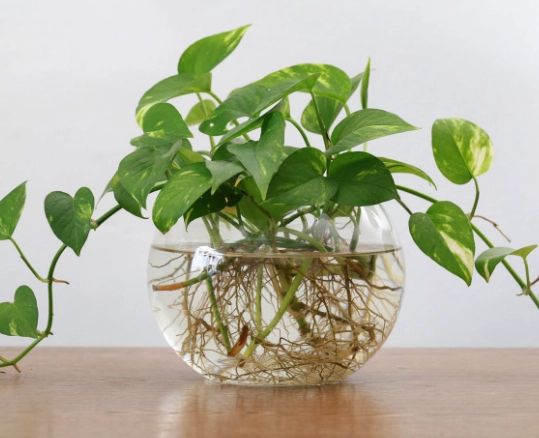
Water vs. Soil: Which Golden Pothos Propagation Method Wins?
It's not a clear-cut answer. It depends on your personality and goals. Let's break it down.
| Factor | Water Propagation | Soil Propagation |
|---|---|---|
| Ease & Confidence | Winner. You see the roots grow, which is motivating and confirms success. Great for beginners. | Requires faith. No visual confirmation until new growth appears, which can be anxiety-inducing. |
| Root Transition | Roots are water-adapted. Must transition to soil, often causing temporary shock. | Winner. Roots are soil-adapted from day one. No transition shock, leading to steadier growth. |
| Setup & Maintenance | Simple jar and water. Requires weekly water changes to prevent rot/algae. | Requires proper soil mix and often a humidity cover (like a bag). Less daily fuss once planted. |
| Success Rate (for beginners) | Generally very high, as problems (rot) are visible and can be addressed. | Can be lower if overwatering occurs or humidity is too low, leading to dried-out cuttings. |
| Best For | Learners, visual folks, those who want to watch the process. Propagating a few cuttings for fun. | Experienced beginners, those propagating many cuttings at once, or anyone wanting to avoid the transplant step. |
My personal hybrid approach? I often start cuttings in water because I enjoy the show. But once the roots are an inch or two long, I don't let them get long and stringy. I transfer them to soil while the roots are still young and more adaptable. It seems to minimize the shock.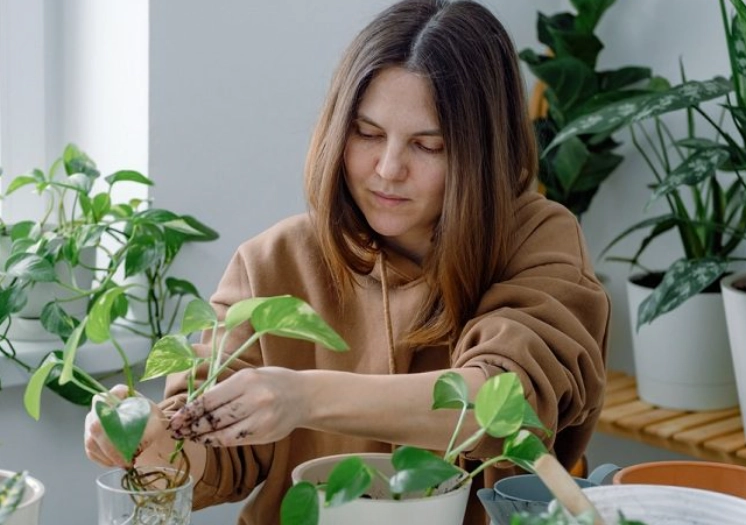
Propagating a Long, Leggy Vine: The "Chop and Prop" Rescue
This is where golden pothos propagation becomes a superpower. You have a plant that's all vine with few leaves at the base—the classic "leggy" look. You can revitalize the whole plant in one go.
Take the long, bare vine and lay it out on a table. You're going to make multiple cuttings, each with a node. You can literally turn one long, sad vine into 5 or 6 new potential plants. You can root these all in one large tray of soil, laying the stems horizontally with the nodes just slightly buried. This method, sometimes called "soil layering," is incredibly efficient for massive propagation projects. The University of Florida's IFAS Extension, a fantastic authority on horticulture, mentions stem cuttings as the primary method for pothos, validating this approach. You can read more about general plant propagation principles from such university extension resources.
The Make-or-Break Factors for Success
Beyond the basic steps, these environmental factors are what separate a 100% success rate from a 50% one.
Light: Bright, indirect light is the sweet spot. It provides the energy needed for root growth without scorching the vulnerable cutting. A dark corner will result in slow or failed rooting, and leggy growth even if it does root.
Temperature: Warmth encourages growth. Aim for 65-75°F (18-24°C). Cold drafts or a chilly windowsill in winter will put everything on hold and increase the risk of rot.
Water (for water propagation): Keep it fresh. Stagnant water becomes deoxygenated and a breeding ground for microbes. Weekly changes are a good rhythm.
Soil Moisture (for soil propagation): This is the tightrope walk. The soil around the node should never dry out completely, but it should never be sopping wet. The plastic humidity cover helps reduce how often you need to water. I usually just check the surface every few days.
From Propagated Cutting to Established Plant: The Care Bridge
Okay, you have roots! Now what? The journey isn't over. This is where you cement your success.
When to Pot Up (Water Method): Don't wait until the roots are a foot long. When they have a few inches of length and some side roots (they look fuzzy or have little branches), they're ready. Gently plant them in a well-draining potting mix. Water thoroughly and return to bright, indirect light. It may wilt a bit. Don't panic! Keep the soil slightly moist and humidity high if possible. It's just adjusting.
Aftercare for Soil Propagations: Once you see significant new leaf growth, you can remove the humidity cover. Start treating it more like a normal pothos. You can begin fertilizing with a diluted, balanced liquid fertilizer about a month after rooting.
The Long Game: Your new golden pothos, born from your propagation efforts, has the same needs as any other: bright indirect light, watering when the top inch or two of soil is dry, and occasional feeding during the growing season. Before you know it, it'll be long enough for you to start the golden pothos propagation cycle all over again.
Frequently Asked Questions (The Stuff You Actually Search For)
Look, the core of golden pothos propagation isn't a complex science. It's about understanding a few basic principles—the node is king, cleanliness matters, and environment controls the speed. Once you've done it successfully once, a whole world opens up. You'll look at every pothos vine and see potential new plants. You'll stop worrying about killing a plant because you know you can always save a piece of it. It's the most empowering skill in indoor gardening.
So grab your scissors, find a node, and give it a shot. Start with water if you're nervous. The worst that can happen is you learn something for next time. And the best that can happen? You get a free plant, and the quiet, profound satisfaction of having grown it yourself.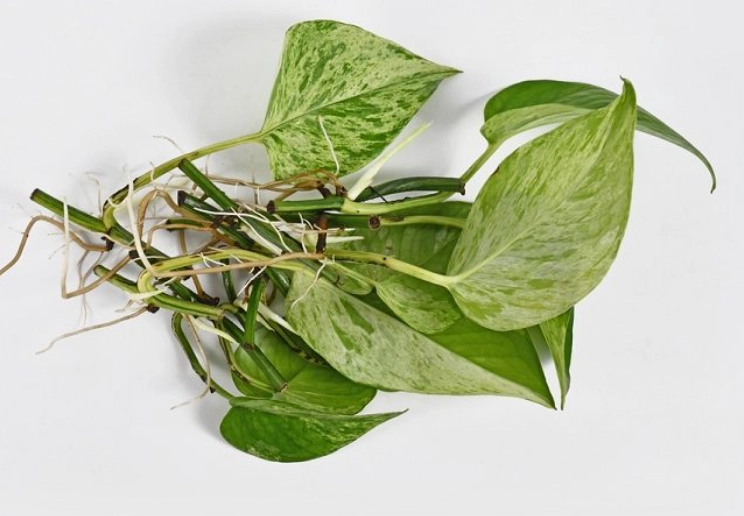
Comments