You probably know the Kalanchoe blossfeldiana. It's that cheerful, compact plant with clusters of bright flowers you see lined up at the supermarket or garden center every spring. Most people treat it like a long-lasting bouquet, enjoying the blooms for a few months before it ends up in the compost. That's a shame. With the right know-how, this succulent can be a resilient, re-blooming companion for years, not weeks. I've grown them for over a decade, and the biggest mistake isn't overwatering—it's underestimating what they can do.
What You'll Learn in This Guide
The Non-Negotiable Core Care Routine
Think of Kalanchoe blossfeldiana as a sun-loving, drought-tolerant friend. It stores water in its fleshy leaves, which is your first clue: it hates wet feet. Getting the basics right prevents 90% of problems.
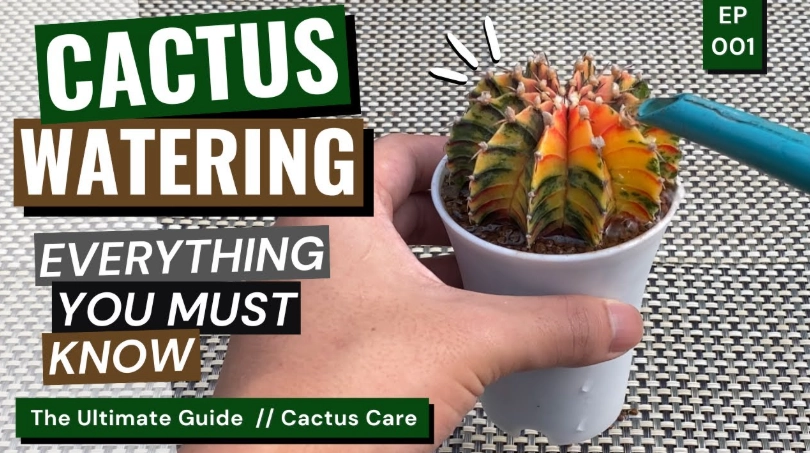
Watering is where most people go wrong. The "soak and dry" method is gospel here. Stick your finger into the soil up to the first knuckle. If it's dry, water thoroughly until it runs out the drainage hole. Then, walk away. Don't water again until the soil is completely dry. In winter, this might mean watering only once a month. I use a simple wooden chopstick as a moisture meter—if it comes out clean, it's time to water.
Soil and pot choice matter more than you think. A standard potting mix holds too much moisture. You need a fast-draining mix. I make my own with two parts regular potting soil, one part perlite, and one part coarse sand. Any pot must have a drainage hole. Terra cotta is excellent because it breathes, helping the soil dry faster.
The Secret to Getting It to Bloom Again (And Again)
Here's the part most care guides gloss over, the key to moving from a disposable plant to a perennial performer: Kalanchoe blossfeldiana is a short-day plant. It needs long nights (at least 14 hours of darkness) to set flower buds. Nurseries control this precisely to force blooms for market.
At home, from late fall, you need to mimic this. For about 6 weeks, give it 8-10 hours of bright light, followed by 14-16 hours of uninterrupted, total darkness. A closet or a box placed over it works. No night lights, no street lamps peeking through the curtain. Any light leak can reset the clock. After this treatment, return it to normal light, and flower buds should appear. It's a bit of work, but seeing those buds form is incredibly satisfying.
How to Make More Plants: Propagation Methods Compared
One of the joys of Kalanchoe is how easily it multiplies. You have three main options, each with different success rates and speeds.
| Method | Best For | Steps | Time to Root | My Success Rate |
|---|---|---|---|---|
| Leaf Cuttings | Patience, creating many plants | Gently twist off a healthy leaf. Let it callus over for 2-3 days. Lay on top of dry succulent soil. Mist occasionally. | 4-8 weeks | ~80% |
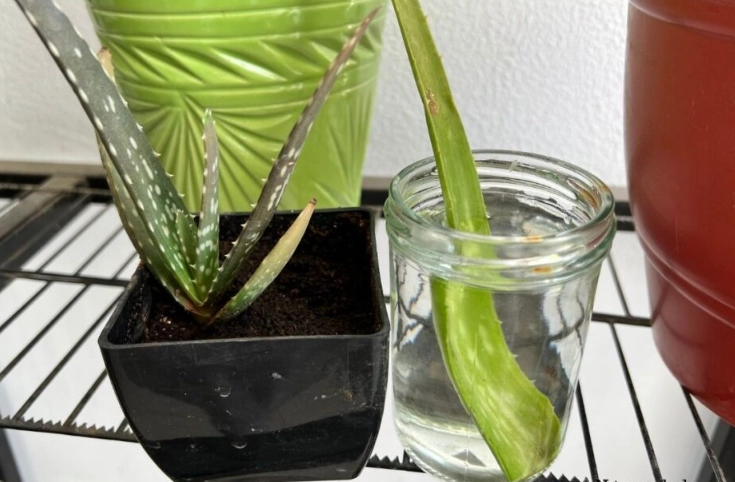
| Stem Cuttings | Speed, cloning a specific plant | Cut a 3-4 inch stem. Remove lower leaves. Let callus for 2 days. Plant in dry soil. Wait a week before watering. | 2-4 weeks | ~95% |
| Plantlets (Pups) | Absolute beginners, zero effort | Some varieties produce tiny plantlets on leaf edges. Gently remove and place on soil. They already have roots. | Immediate | ~100% |
I find stem cuttings the most reliable. The waiting period for the cut end to callus is crucial—planting it fresh almost guarantees rot.
Diagnose & Fix: Your Kalanchoe Troubleshooting Table
When something looks off, don't panic. Use this table to match symptoms with causes and solutions.
| What You See | Likely Cause | Immediate Action | Long-Term Fix |
|---|---|---|---|
| Soft, mushy, blackening stems/leaves | Root rot from overwatering | Stop watering. Remove plant. Cut away all soft, dark roots and mushy stems with a sterile knife. | Repot in fresh, dry succulent mix. Water only when bone dry. Ensure pot has drainage. |
| Leggy growth, large gaps between leaves | Insufficient light | Gradually move to a brighter location. | Provide bright, indirect light year-round. Consider a grow light in winter. |
| Brown, crispy leaf edges or spots | Too much direct sun (sunburn) or low humidity | Move away from intense afternoon sun. | Filter direct summer sun. Avoid misting; it doesn't help succulents much. |
| Leaves are wrinkled, thin, limp | Underwatering or extreme heat | Give the soil a thorough soak. | Check soil moisture more frequently during hot, dry periods. Don't let it stay bone dry for extreme lengths. |
| Plant looks healthy but won't flower | Insufficient dark period | Be patient if it's not the season. | Initiate the 6-week short-day treatment in late fall. |
I learned the hard way about root rot. Now, at the first sign of a droopy leaf that doesn't perk up after watering, I check the roots immediately. It's often the only chance to save the plant.
Answers to the Questions You're Actually Searching For
The Kalanchoe blossfeldiana is a gateway plant into the wider world of succulents. It's forgiving enough for beginners but has enough depth to keep experienced growers engaged with its reblooming challenge. Stop thinking of it as temporary decor. Give it a sunny spot, respect its drought-loving nature, and try the dark treatment next fall. You might be surprised at the loyal, colorful companion you've had all along.
Comments