Let's cut to the chase. Houseplant decor isn't about buying a fiddle leaf fig and calling it a day. It's the art of using living greenery to shape the feel of a room, to solve spatial problems, and honestly, to make you happier at home. I've killed my share of succulents and styled enough corners to tell you that most guides miss the mark. They talk about "bright indirect light" but don't show you how to work with that gloomy north-facing hallway you actually have.
What You'll Learn in This Guide
The Fundamentals of Houseplant Decor: Light, Scale, and Vibe
Forget style for a second. If you get these three things wrong, your decor will look off, and your plants will die. It's that simple.
Understanding Your Light – It's Not Just "Bright" or "Low"
I see people online saying "this plant needs bright light" and then placing it three feet from a north window. That's not bright light. Here's a more useful way to think about it. Hold your hand where you want the plant to go around noon on a sunny day. If you see a crisp, defined shadow, that's direct sun. A fuzzy shadow is bright indirect light. A barely-there shadow is medium light. No shadow? That's low light. Most homes have medium to low light. Accept it. The trick is choosing plants that thrive in your actual conditions, not the ideal ones on a nursery tag.
The Scale Secret Most People Ignore
A tiny succulent on a giant console table looks lonely, not styled. A massive monstera crammed into a tiny nook feels oppressive. You need to match plant size to furniture and wall space. A good rule I use: the combined height or width of your plant arrangement should be about one-third to one-half the size of the furniture it's on or near. For a blank wall, think of plants as living art – their silhouette should fill a meaningful portion of the visual space.
Pro Tip from a Decade of Trial and Error: Don't just buy a plant because it's trendy. Buy it because its mature size and growth habit (tall and upright, trailing, bushy) solve a specific decor problem in your room. A trailing pothos is a solution for a high shelf. A snake plant is a solution for a tight, dark corner.
A Room-by-Room Breakdown for Real Homes
Let's get specific. Your living room isn't your bathroom. Here’s how to approach each space.
Living Room Focal Points and Conversation Starters
The living room is where you entertain, so plants should enhance, not block. Instead of lining plants along the windowsill, create a focal point. Group three plants of varying heights in a corner. Use a large statement plant like a bird of paradise or a rubber plant behind the sofa. It anchors the space. For side tables, skip the fussy flowering plants. Go for something architectural with interesting leaves, like a ZZ plant or a peperomia. They handle the occasional knocked-over drink better.
Bedroom Serenity: Plants That Help You Sleep
This is where the biophilic design hype is real. Plants like snake plants and peace lilies can improve air quality, but more importantly, their greenery reduces stress. Avoid spiky, aggressive shapes. Opt for soft, rounded leaves – think heartleaf philodendron or a fern on a dresser. Keep them away from your direct bedside if you're worried about watering spills. A hanging planter with an English ivy near a window works wonders.
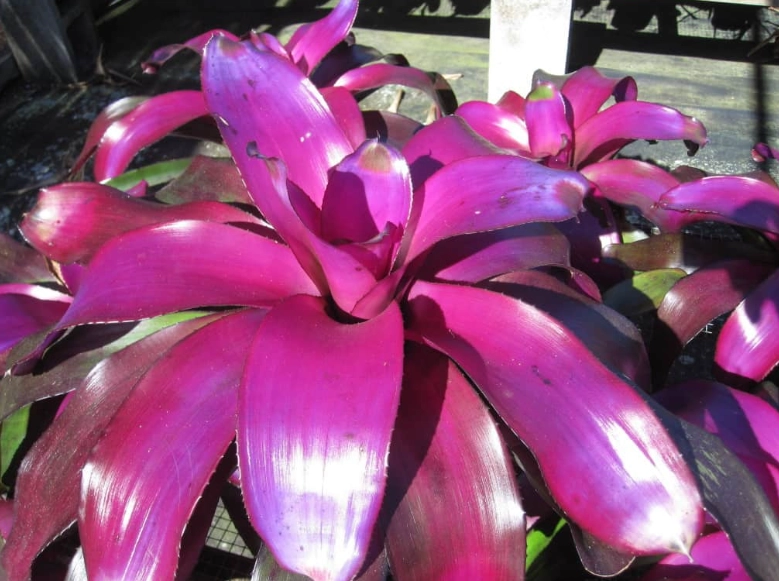
Kitchens and bathrooms are humidity havens. Herbs on a sunny windowsill are classic kitchen decor, but for pure style, consider a staghorn fern mounted on the wall or a string of pearls cascading from a high cabinet. In bathrooms, orchids often fail because of lack of light. Try a nerve plant or a bromeliad instead – they love the steam.
The 5 Decor Mistakes Everyone Makes (And How to Fix Them)
I've made these. You've probably made these. Let's fix them.
Mistake 1: The "Everything on the Windowsill" Approach. It creates a cluttered, one-dimensional look. Plants need to be integrated into the room's depth. Fix: Pull some plants into the room. Use a floor plant, a plant on a side table, and a hanging plant to create layers.
Mistake 2: Using Only Boring Nursery Pots. Those green plastic pots scream "I just bought this." Fix: Use decorative cache pots. But here's the key – ensure they have drainage holes or place the nursery pot inside. No one likes root rot.
Mistake 3: Ignoring Plant Textures and Colors. A collection of all glossy green leaves can fall flat. Fix: Mix it up. Pair the large, glossy leaves of a fiddle leaf fig with the feathery texture of an asparagus fern or the purple hue of a tradescantia.
Mistake 4: Forgetting About Plant Health in the Name of Decor. Putting a sun-loving cactus in a dark bathroom for "aesthetic" is a death sentence. Fix: Your decor plan must start with the plant's needs. Find the right plant for the spot, not the right spot for the plant.
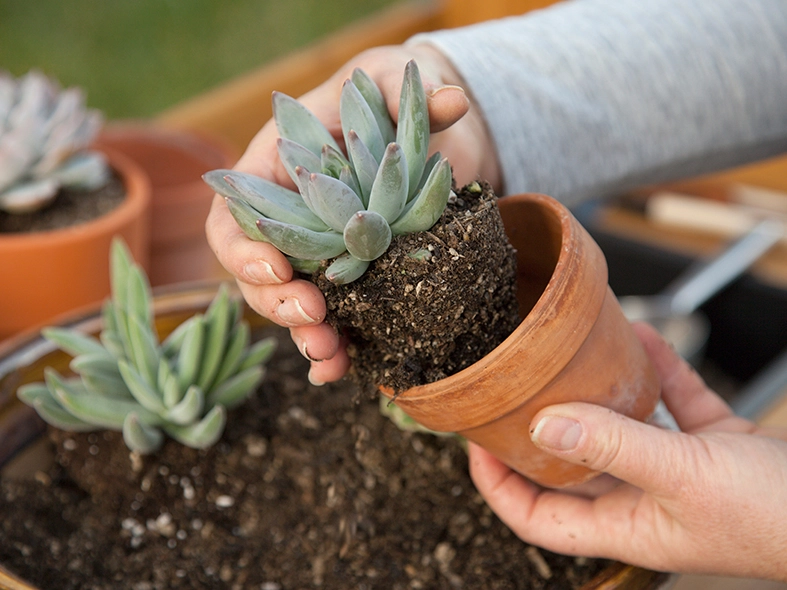
Mistake 5: Static Arrangements. Plants grow. That small succulent bowl will be a crowded mess in a year. Fix: Plan for growth. Leave space. Be ready to repot, prune, or rotate plants to maintain the balance.
Case Study: Transforming a Dim, Small Apartment
Let's apply this to a real scenario. My friend's apartment: 600 sq ft, north-facing main room, limited floor space. The goal was to add life without clutter.
The Problem: Low light, small surfaces, a feeling of cramped emptiness.
The Solution: We went vertical and focused on shade-tolerant plants.
- We installed two floating shelves on the largest blank wall. Not in a straight line, but staggered. On them, we placed a mix: a medium snake plant (architectural height), a pothos (to trail down), and a prayer plant (for colorful leaf patterns).
- In the darkest corner by the door, a tall Zamioculcas zamiifolia (ZZ plant) in a sleek white pot. It's almost indestructible with low light.
- Instead of a floor plant taking up precious space, we used a macramé hanger near the window for a Boston fern, adding texture at eye level.
- On the coffee table, a single shallow dish with three different types of haworthias (small succulents that tolerate lower light). It's a sculptural piece, not clutter.
The result? The room felt larger, more designed, and alive. The key was treating the wall and air space as prime real estate, not just the floor.
Essential Tools and Supplies You Actually Need
You don't need a lot. But these make life easier.
| Item | Why It's Crucial | My Personal Recommendation |
|---|---|---|
| Watering Can with a Long, Narrow Spout | Precise watering avoids mess on leaves and furniture. Essential for reaching into dense arrangements. | A simple metal one. Plastic ones crack. |
| Moisture Meter | Takes the guesswork out of watering. Stops you from over-loving (drowning) your plants. Worth every penny for beginners. | Any basic model from a garden center. |
| Quality Potting Mix | Regular garden soil compacts and kills roots indoors. A well-draining mix is non-negotiable. | Mix your own: two parts all-purpose potting soil, one part perlite, one part orchid bark. |
| Pruning Shears | Clean cuts promote health. Scissors crush stems. Pruning shapes plants for better form. | Small, sharp bypass pruners. |
| Decorative Cache Pots with Saucers | Unifies the look and protects your surfaces. The saucer is mandatory for catching drips. | Terracotta for breathability, or glazed ceramic for style. |
You'll see fancy misters and leaf shine products. Skip them. Misting does little for humidity, and leaf shine can clog pores. A damp cloth to wipe dust is more effective.
Your Burning Plant Decor Questions, Answered
Houseplant decor is a journey, not a destination. Your style will evolve as your plants grow and your skills improve. Start with the light you have, choose plants that fit your life, and don't be afraid to move things around until it feels right. The goal isn't a perfect Instagram shot, but a home that feels more alive because of the green, growing things in it.

Comments