White Christmas cactus is a stunning holiday houseplant. That cascade of pure white, sometimes blush-pink tinged flowers against deep green segmented stems is a classic December sight. But here's the thing most care guides gloss over: getting that reliable, show-stopping bloom isn't just about luck. It's about understanding what this plant, botanically a Schlumbergera, actually needs, not what we assume a "cactus" needs. I've killed one by treating it like a desert cactus, and I've seen dozens struggle in offices with constant light. Let's get yours thriving.
What You'll Find in This Guide
What is a White Christmas Cactus? (And What It's Not)
Let's be clear about one thing first. The "white Christmas cactus" isn't a single species. It's usually a white-flowering cultivar of either Schlumbergera truncata (Thanksgiving cactus) or Schlumbergera x buckleyi (true Christmas cactus). The difference matters for care and bloom time.
Thanksgiving cactus (S. truncata) has pointed, claw-shaped stem segments with 2-4 serrations on each side. It tends to bloom a bit earlier, from late October to November. The true Christmas cactus (S. x buckleyi) has more rounded, scalloped stem segment edges. It blooms closer to December. Most big-box store "Christmas cacti" are actually Thanksgiving cactus hybrids because they're sturdier and bloom earlier for retail sales. Your white one is likely a truncata hybrid.
It's also not a desert cactus. Native to the coastal mountains of southeast Brazil, Schlumbergera are epiphytic. They grow in the shaded, humid crevices of trees, absorbing moisture from the air and decomposing leaf litter. This is the single most important fact for keeping them alive. Treat them like a succulent that hates full sun and loves humidity.
The Complete White Christmas Cactus Care Routine
Forget a rigid schedule. Your plant's needs change with the seasons, light, and temperature. Here's what to watch for.
Light: The Foundation of Health (And Blooms)
Here’s the deal with light. Bright, indirect light is non-negotiable. A north or east-facing window is perfect. A few feet back from a south or west window works if filtered by a sheer curtain. Direct afternoon sun will scorch the stems, leaving bleached, crispy patches.
Insufficient light makes the plant leggy, with long, weak segments stretching for light. It also guarantees no flowers. During the growing season (spring and summer), I give mine about 4-6 hours of this bright, indirect light. Come fall, the light cue is part of the blooming trigger.
Watering: The Most Common Killer
Overwatering is the fast track to a mushy, dead plant. Underwatering makes it shrivel. The goal is consistently lightly moist during active growth (spring/summer).
My method: I lift the pot. A dry pot feels surprisingly light. I also check the top inch of soil. If it's dry, I water thoroughly until it runs out the drainage hole. Then I let it drain completely—no sitting in a saucer of water. In winter, when growth slows and temperatures are cooler, I let the soil dry out more between waterings, maybe the top third of the pot.
The pot matters. Always use one with a drainage hole. Terra cotta is great because it breathes and helps soil dry more evenly.
Soil and Potting
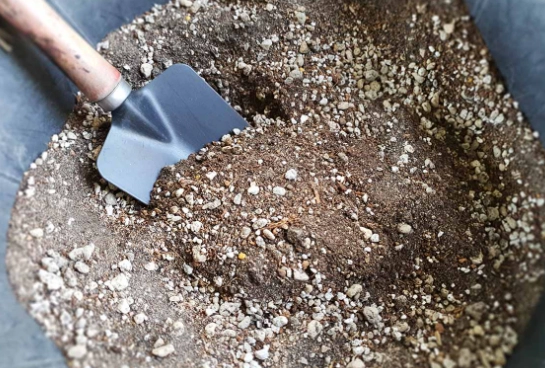
Regular potting soil holds too much water. You need a fast-draining, airy mix. A good quality succulent & cactus mix is a decent start, but I amend it. My go-to recipe is 2 parts succulent mix to 1 part perlite or orchid bark (like the medium from RHS recommendations for epiphytes). This mimics that forest canopy litter.
Repot every 2-3 years in spring, after blooming. Only go up one pot size (an inch or two wider). They like being slightly root-bound, which can encourage blooming.
Temperature and Humidity
They enjoy average room temperatures (65-75°F / 18-24°C). They don't like drafts, hot air vents, or fireplaces. The humidity point is underrated. Average home humidity (around 30-40%) is okay, but they thrive at 50-60%. In dry winters, I group plants together, use a pebble tray, or run a small humidifier nearby. You'll notice plumper, greener segments.
Feeding: Less is More
During spring and summer, feed monthly with a balanced, water-soluble fertilizer diluted to half strength. Something like a 10-10-10 or 20-20-20 works. Stop feeding in late summer/early fall. You don't want to encourage leafy growth when the plant should be shifting energy to bud formation.
The Secret to Triggering White Christmas Cactus Blooms
This is the holy grail. No buds? It's almost always about light and temperature. The plant needs two simultaneous cues:
- Long Nights (Photoperiod): It's a short-day plant. To initiate buds, it needs at least 12-14 hours of uninterrupted darkness each night for 6-8 weeks. Even a brief burst of indoor light (a porch light, a streetlamp through the window) can reset the clock.
- Cooler Temperatures: Paired with the long nights, it needs cooler temps, ideally around 50-55°F (10-13°C).
Here's my practical, foolproof method starting around late September or early October:
- Move the plant to a room where you don't turn on lights at night (a spare bedroom, a cool basement window).
- If that's not possible, cover it with a box or put it in a closet from 5 PM to 8 AM every single night.
- Ensure the spot still gets bright, indirect light during the day.
- Let the nighttime temperatures in that room dip into the cool range. Don't let it freeze.
Once you see tiny buds forming at the tips of the segments (they look like little grains of rice that swell), you can stop the strict dark treatment and return it to its normal spot. Continue with careful watering and avoid moving or rotating the plant much, as bud drop is common with sudden changes.
Solving Common White Christmas Cactus Problems
Here’s a quick-reference table for diagnosing issues. I've dealt with most of these.
| Symptom | Likely Cause | How to Fix It |
|---|---|---|
| Red or purple tinge on stems | Often too much direct sun or a sign of stress (could be cool temps, which is okay for budding, or under-watering). | Move to a shadier spot. Check watering if temps are warm. |
| Mushy, blackened stems at soil line | Stem or root rot from overwatering. | Stop watering. Unpot, cut away all rotten parts with a sterile knife. Let healthy cuttings callous for a day, then re-root in fresh, dry mix. |
| Shriveled, limp segments | Underwatering, or roots are damaged from rot and can't take up water. | Water thoroughly if soil is bone dry. If soil is wet and plant is shriveled, suspect root rot (see above). |
| Flower buds dropping before opening | Sudden change in environment (move, draft, temperature swing), under/overwatering during bud stage. | Keep plant in a stable location once buds form. Water consistently, letting soil just approach dryness. |
| No flowers at all | Insufficient dark period, temperatures too warm at night, or not enough light during the day. | Follow the strict 6-8 week long night/cool temp protocol outlined above. |
| White, cottony masses on stems | Mealybugs. | Dab with a cotton swab dipped in rubbing alcohol. For bad infestations, use insecticidal soap or a systemic houseplant insecticide. |
How to Propagate Your White Christmas Cactus
It's incredibly easy. The best time is late spring. Take a cutting of 2-3 healthy segments. Twist it off at a joint—don't cut. Let the cut end callous over for a day or two on a paper towel. This prevents rot.
Then, stick the calloused end about an inch deep into a small pot with the same fast-draining mix you use for the mother plant. Water lightly to settle the soil, then keep it barely moist (not wet) in bright, indirect light. In a few weeks, it should resist a gentle tug, meaning roots have formed. That's it. You've cloned your holiday bloomer.

Comments