Quick Guide
- What Exactly Are Hen and Chicks Plants?
- The Absolute Guide to Keeping Your Hen and Chicks Happy
- A World of Variety: It's Not Just Green Anymore
- Making More: How to Propagate Hen and Chicks
- Common Problems (And How to Fix Them Before It's Too Late)
- Getting Creative: Using Hen and Chicks in Your Garden and Home
- Answers to Your Burning Questions (FAQ)
- Wrapping It All Up
Let's talk about one of the most forgiving and downright charming plants you can invite into your garden or onto your windowsill: the hen and chicks succulent. You've probably seen them. Those tight, geometric rosettes that look like art pieces, clustering together like a little plant family. The "hen" is the main mother rosette, and the "chicks" are all the adorable offsets she sends out on little runners. Their proper name is Sempervivum, which is Latin for "always living"—and honestly, that name isn't far off. I've seen these things survive conditions that would make other plants throw in the towel.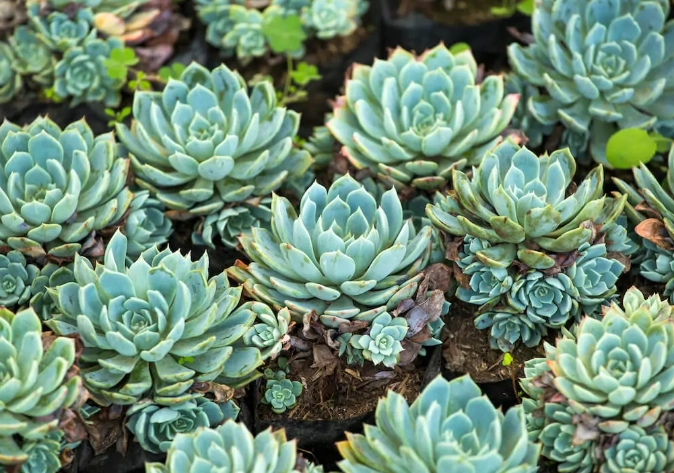
I remember my first hen and chicks. It was a simple green variety I picked up on a whim from a hardware store shelf. I knew nothing about succulents then. I overwatered it, put it in a pot with no drainage hole (a classic rookie move), and yet... it persisted. A few outer leaves turned mushy, but the center held on. That resilience hooked me. Now, years later, after killing a few (yes, it is possible, mostly with too much kindness in the form of water) and nurturing many more to sprawling colonies, I want to share everything I've learned the hard way, and the easy way, about these fantastic plants.
What Exactly Are Hen and Chicks Plants?
Before we get our hands dirty, let's get acquainted. Hen and chicks belong to the genus Sempervivum. They're cold-hardy, alpine succulents native to mountainous regions of Europe. This origin story is the key to their personality: they're built for tough love. They expect sharp drainage, plenty of light, and don't mind a good chill. They're often confused with Echeveria, another popular rosette succulent. Here's the quick and dirty way to tell them apart: Sempervivum (hen and chicks) are almost always cold-hardy and have thinner, pointier leaves often with delicate ciliate hairs along the edges. Echeveria are frost-tender and usually have plumper, smoother leaves. If a rosette succulent survives a snowy winter outdoors, it's likely a Sempervivum.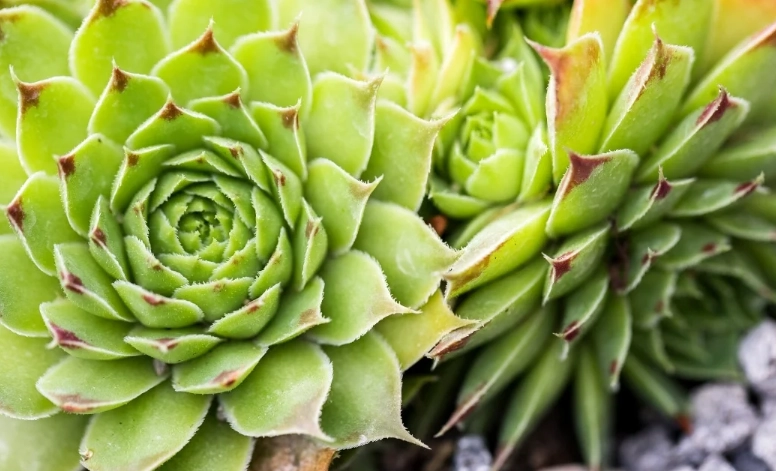
The life cycle of a hen and chicks plant is fascinating, and a bit bittersweet. The mother rosette (the "hen") will live for several years, producing many offsets (the "chicks"). When she's ready, she'll put up a tall, quirky-looking flower stalk. The flowers are usually star-shaped and pink or red. Here's the catch: after flowering, that mother rosette dies. It's a monocarpic plant, meaning it flowers once and then goes. Don't panic! By the time this happens, she's usually surrounded by a full family of chicks ready to take over. It's the circle of life, right in your rock garden.
The Absolute Guide to Keeping Your Hen and Chicks Happy
Here’s the truth—most people fail with succulents not through neglect, but through over-attention. With hen and chicks, the mantra is: simulate a rocky mountainside. Think about that environment. It's not a tropical rainforest.
Sunlight: The More, The Merrier (Usually)
These plants are sun worshippers. For the best, compact growth and intense coloration (many varieties blush brilliant reds, purples, and blues with sun stress), they need at least 6 hours of direct sunlight per day. Full sun is ideal. Indoors, a south-facing window is their best friend. An east or west window can work, but the rosettes might start to stretch or "etiolate," reaching awkwardly for more light. If your indoor light is weak, consider a simple grow light. I've had a pot on a less-than-ideal windowsill, and while it survived, it lost that tight, colorful form that makes them so special. It looked a bit... sad and leggy.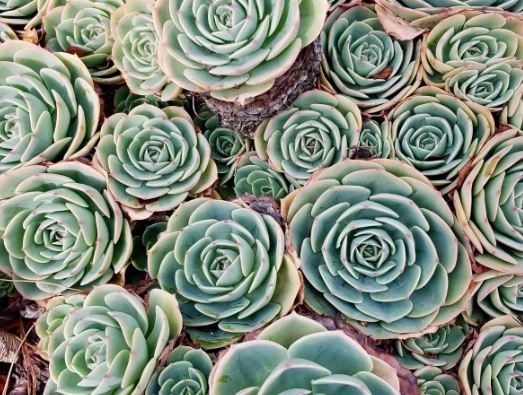
Watering: The Skill You Need to Master
This is the number one killer. Your watering can is not your hen and chicks' best friend. Your restraint is.
- The Soak and Dry Method is King: Don't give it little sips. When you water, drench the soil completely until water runs freely out of the drainage holes. Then, walk away. Do not water again until the soil is completely dry. I mean bone dry. Stick your finger in the soil. If it feels cool or damp at all, wait.
- Seasonal Shifts: In the active growing seasons (spring and fall), you might water every 7-10 days, depending on your climate and pot. In the heat of summer, if they're in full sun, they may need water more frequently as the soil dries faster. In winter, especially if they're outdoors and dormant, they need much less water. Maybe once a month, or even just rely on rainfall/snowmelt if they're in the ground.
- The Tell-Tale Signs: Underwatered hen and chicks will have leaves that look withered, thin, and may close up slightly. Overwatered plants get mushy, translucent leaves, usually starting at the base (the stem might also turn black and rot—this is often a death sentence). It's always safer to err on the side of underwatering.
Soil and Potting: Building the Right Foundation
Regular potting soil is a death trap. It holds too much moisture for too long around the roots of your hen and chicks succulent. You need a gritty, fast-draining mix.
- The Ideal Mix: A dedicated succulent or cactus potting mix is a good start, but I like to amend it further. I do a 50/50 blend of cactus mix and something like perlite, pumice, or coarse sand. This creates an airy, rocky environment that mimics their native home.
- Drainage is Non-Negotiable: The pot must have a drainage hole. No ifs, ands, or buts. Terracotta pots are excellent because they're porous and help wick away extra moisture from the soil.
- Potting Up: When your colony outgrows its space, gently remove the whole cluster. You can often separate chicks easily (more on that later). Use fresh, dry mix when repotting, and wait a few days before watering to let any disturbed roots heal.
Temperature and Hardiness
This is where Sempervivum truly shines. Most varieties are hardy down to USDA zone 4 or 5 (that's -30 to -20 °F!). The cold doesn't bother them. In fact, many need a cold period to thrive and maintain their growth cycle. Snow acts as an insulating blanket. The real enemy is cold, wet soil. A soggy root system in freezing temperatures is fatal. That's why the perfect drainage we talked about is doubly important for outdoor plants.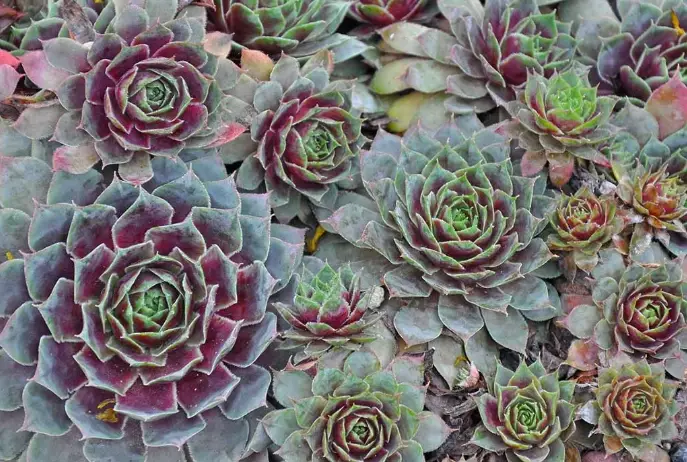
Heat is generally fine, as long as they're acclimated and have adequate water (but still with dry soil between waterings).
A World of Variety: It's Not Just Green Anymore
This is the fun part. The world of Sempervivum is vast and colorful. There are thousands of named cultivars. Choosing a hen and chicks succulent can be like choosing a paint color. Here’s a look at some popular types to get you started.
| Variety Name | Key Characteristics | Color Notes | My Personal Take |
|---|---|---|---|
| Sempervivum tectorum (Common Houseleek) | The classic. Large, green rosettes with purple tips. Historically planted on roofs in Europe. | Green with burgundy tips. | A tough, reliable workhorse. Great for beginners. |
| Sempervivum arachnoideum (Cobweb Houseleek) | Absolutely iconic. Fine, white hairs stretch between leaf tips, creating a web-like cover. | Green to red, covered in "cobwebs." | Magical looking. Needs excellent air circulation to prevent the webs from holding moisture. |
| 'Pacific Blue Ice' | Large, striking rosettes with a cool, frosted blue-green color. | Powdery blue-green, can blush lavender. | One of my favorites for a cool-toned garden palette. A real stunner. |
| 'Ruby Heart' | Medium rosettes where the green outer leaves dramatically contrast a deep ruby-red center. | Green & vibrant red. | The color is intense, especially in full sun. Propagates eagerly. |
| 'Oddity' | Completely unique. Leaves are rolled into tubes, making the rosette look like a cluster of tiny green claws. | Bright green. | A conversation starter. Grows slower than others, but worth the wait for its weirdness. |
You can find Sempervivum in shades of green, blue, red, purple, silver, and near-black. Some change color with the seasons. The Royal Horticultural Society's plant database is a great resource to explore the sheer diversity of this genus if you're looking for something specific.
Making More: How to Propagate Hen and Chicks
This is arguably the most satisfying part of growing these plants. They want to multiply, and they make it easy for you. You'll never need to buy another hen and chicks succulent again.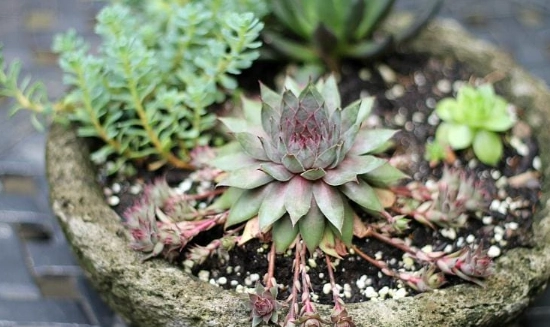
Method 1: Separating the Chicks (The Easy Way)
- Wait until the offset (chick) is about one-third the size of the mother hen. It should have started forming its own root system.
- Gently wiggle the chick. Sometimes they pop off with just a light twist. If it's connected by a stout runner (stolon), you can use a clean, sharp knife or scissors to snip it, leaving a bit of the stolon attached to the chick.
- Let the separated chick sit in a dry, shady spot for a day or two. This allows the cut end to callous over, preventing rot when you plant it.
- Plant the calloused chick in a small pot with dry succulent mix. Don't water it for about a week. Then, water lightly. Once you see new growth, treat it like an adult plant.
Method 2: Patience (The Even Easier Way)
Just leave them alone. Seriously. A hen and chicks plant in the ground or a wide pot will naturally form a dense mat as the chicks root themselves wherever they touch soil. You can just let the colony expand on its own into a gorgeous living tapestry.
Common Problems (And How to Fix Them Before It's Too Late)
Even tough plants have their issues. Here’s a quick troubleshooting list.
- Stretching/Etiolation: Rosettes become tall, spaced-out, and lean. Cause: Not enough light. Fix: Move to a sunnier spot. You can behead the stretched rosette, let it callous, and replant it, but prevention is better.
- Mushy, Rotting Leaves (especially at the base): Cause: Overwatering and/or poor drainage. Fix: This is serious. Stop watering immediately. If the central growth point is still firm, you might save it by removing all rotten leaves, unpotting, letting the roots dry, and repotting in dry, gritty mix. If the stem is black and mushy, propagate any healthy remaining leaves or chicks.
- Brown, Dry Scars on Leaves: Cause: Sunburn or physical damage. Fix: Move to slightly less intense light if sunburn is the culprit. The scars are permanent, but new growth will cover them over time.
- Pests: Mealybugs and aphids can occasionally be a nuisance, especially in crowded indoor conditions. Fix: Isolate the plant. Dab mealybugs with a cotton swab dipped in rubbing alcohol. Spray aphids off with a strong stream of water or use insecticidal soap.
Getting Creative: Using Hen and Chicks in Your Garden and Home
Their versatility is a huge plus. They're not just for one specific spot.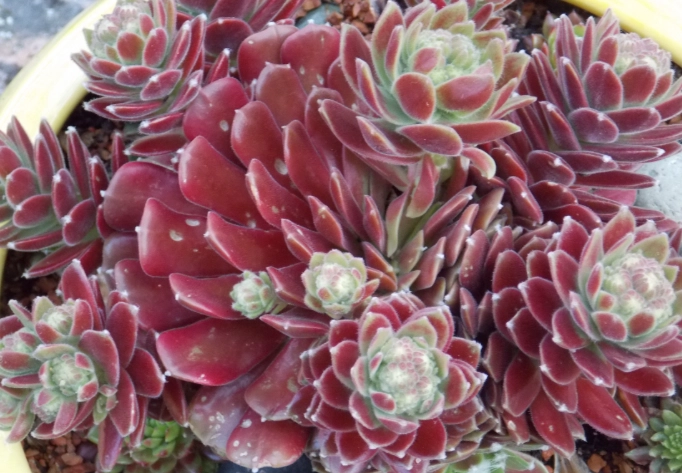
Outdoor Ideas:
- Rock Gardens: Their natural habitat. They nestle perfectly between stones.
- Living Wall or Vertical Garden: Their shallow root system makes them ideal for planting in pockets of soil in a vertical frame.
- Green Roofs: A modern take on their historical use on European cottages.
- Ground Cover: Plant them in a sunny, dry slope where grass struggles. They'll form a drought-tolerant, weed-suppressing mat.
- Container Combinations: Mix different colored Sempervivum varieties in a shallow, wide bowl (a "succulent dish garden") for a stunning mosaic effect. Pair them with other small, hardy succulents like Sedum.
Indoor Ideas:
- Sunny Windowsill Hero: A pot of mixed hens and chicks is a living sculpture.
- Terrariums? Caution! I'm not a fan of putting Sempervivum in closed terrariums. The humidity is usually too high. An open dish or bowl is fine.
Answers to Your Burning Questions (FAQ)
Wrapping It All Up
So there you have it. The hen and chicks plant is more than just a cute succulent. It's a resilient, low-maintenance, and endlessly propagatable piece of living art. Whether you're a seasoned gardener looking for a tough ground cover or a newbie seeking a hard-to-kill first plant, a Sempervivum has got you covered.
Start with one. Put it in a sunny spot with gritty soil, and resist the urge to water it like your other houseplants. Watch it produce its first chick. Feel that little spark of gardener's joy. Before you know it, you'll be planning a whole mosaic of them, dividing them to give to friends, and appreciating their stoic beauty through every season. They're not demanding. They just ask for a bright spot and a little neglect. Honestly, in today's world, that's a pretty good friend to have.
Got a specific question I didn't cover? Drop it in the comments below—I love talking about these plants. Now go forth and find your perfect hen!


Comments