Let's talk about the watermelon peperomia, or Peperomia argyreia if you want to get technical. You've probably seen it—those stunning, almost metallic-looking leaves with perfect silver stripes against a deep green background, just like a watermelon's rind. It's a showstopper on any shelf. Everyone says it's an easy beginner plant, and for the most part, that's true. But I've seen too many people get tripped up by the little things, the details that aren't in most care guides. After growing these for years and killing a few along the way (we all have), I've learned what really makes them tick.
What's Inside This Guide
Getting the Light Just Right (It's Not What You Think)
Here's the first non-consensus tip: bright, indirect light is the standard advice, but what most guides don't tell you is how sensitive the leaf color is to light intensity. Too much direct sun, especially afternoon sun, will bleach those beautiful stripes and can scorch the leaves. You'll see faded, washed-out colors. A north or east-facing window is usually perfect.
But the other side of the coin is low light. Yes, it can survive in lower light, but it will just survive. Growth becomes incredibly slow, the stems get leggy as they stretch for light, and the new leaves will be smaller and have less contrast in their patterning. It loses its vibrancy. If you want a full, compact plant with vivid markings, you need that bright indirect spot.
Pro Tip: Rotate your plant a quarter turn every time you water it. The leaves will grow towards the light source, and rotating ensures even growth on all sides, preventing a lopsided plant.
The Watering Mistakes That Kill Watermelon Peperomias
This is where most people fail. Overwatering is the number one killer. These plants have semi-succulent leaves that store water. Their root systems are relatively fine and shallow. Drowning them is easy.
How to Water Your Watermelon Peperomia Correctly
Forget the schedule. Watering every Tuesday because it's Tuesday is a recipe for disaster. Instead, use the "finger test" or, even better, the "weight of the pot" method.
- Finger Test: Stick your finger into the soil up to the first knuckle. If it feels dry, it's time to water. If it feels even slightly damp, wait.
- Weight Method: Lift the pot. A pot with dry soil feels surprisingly light. A pot with moist soil has noticeable heft. Get used to the light feeling—that's your cue.
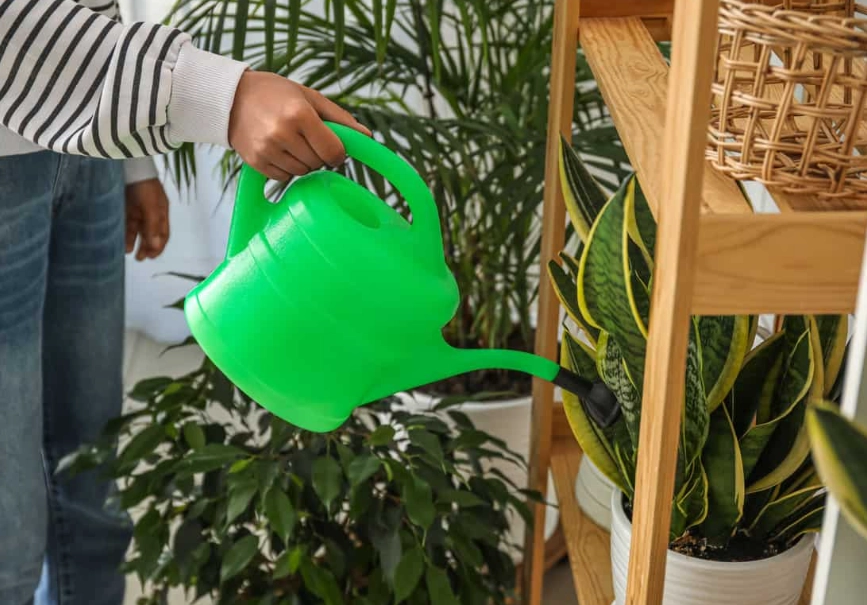
When you do water, water thoroughly. Take the plant to the sink and pour water evenly over the soil until it runs freely out of the drainage holes. Let it drain completely before putting it back in its decorative pot. Never let it sit in a saucer of water.
The Silent Killer: Using a pot that is too large or too deep. A huge pot holds moisture for far too long around the small root ball, leading to root rot. Always choose a pot that is only 1-2 inches wider than the root mass. This is a critical detail most beginners miss.
Soil, Pots, and the Root of All Problems
Building on the watering section, the right soil mix is your insurance policy. A standard, dense potting mix retains too much water. You need to amend it to create a loose, airy, and fast-draining environment.
Here's a simple, effective mix you can make at home:
- 50% All-purpose potting mix
- 30% Perlite or Pumice (for aeration and drainage)
- 20% Orchid bark or Coco coir (for chunkiness and preventing compaction)
This mix mimics the plant's natural epiphytic tendencies (growing on trees and debris in the wild) and gives those sensitive roots the oxygen they crave.
How to Make More Plants: Propagation Secrets
Propagating watermelon peperomia is rewarding and easy once you know how. Leaf cuttings are the way to go, but there's a trick.
Do not just cut a leaf and stick it in soil. It will likely rot. The successful method involves a leaf with a bit of petiole (the leaf stem). Here's the step-by-step:
- Choose a healthy, mature leaf. Using a clean, sharp knife or scissors, cut the leaf off, making sure you get about an inch of the petiole attached.
- Option A (Water Propagation): Place the cut end of the petiole in a small jar or glass of water. Ensure only the stem is submerged, not the leaf itself. Place in bright, indirect light. Change the water weekly. You should see tiny white roots in 4-6 weeks.
- Option B (Soil Propagation): Dip the cut end of the petiole in rooting hormone (optional but helpful). Plant it in a small pot with your moist, airy potting mix. Cover the pot with a clear plastic bag to create humidity. Place in bright, indirect light and keep the soil slightly moist. New plantlets will emerge from the base of the petiole in a month or two.
- Once the new plant in water has a good root system (about an inch long), or the soil-propagated cutting shows new growth, you can pot it up into its own small container.
Fixing Common Issues: Curling Leaves, Dropping, and Pests
When something goes wrong, your plant will tell you. Here’s a quick diagnostic table.
| Symptom | Likely Cause | How to Fix It |
|---|---|---|
| Leaves curling inward | Underwatering, low humidity, or heat stress. | Check soil moisture. Increase humidity with a pebble tray or humidifier. Move away from heat vents. |
| Yellowing, mushy leaves | Overwatering / Root rot. | Stop watering immediately. Check roots. If brown and mushy, cut them away, repot in fresh dry mix, and water sparingly. |
| Brown, crispy leaf edges | Low humidity, chemical burn from tap water (fluoride/chlorine). | Use distilled, rainwater, or filtered water. Boost humidity. |
| Dropping leaves suddenly | Temperature shock (draft), or severe underwatering. | Move away from cold drafts or AC vents. Soak the pot if soil is a dry brick. |
| Small, webbed spots on leaves | Spider mites. | Isolate plant. Wipe leaves with damp cloth. Treat with insecticidal soap or neem oil weekly. |
Pests are rare on these plants if they're healthy, but spider mites can appear in dry indoor air. Regular leaf inspection and wiping with a damp cloth is great prevention.
Your Watermelon Peperomia Questions, Answered
Why are the leaves on my watermelon peperomia curling?
Nine times out of ten, it's thirst. The plant is trying to reduce its surface area to conserve moisture. Check the soil—if it's dry, give it a good soak. If your watering seems okay, look at humidity. These plants enjoy moderate humidity (40-50%). Sitting right next to a heating vent or in a very dry room can also cause curling.
Can a watermelon peperomia really thrive in a low-light office?
It will survive, but "thrive" is a strong word. In consistent low light, growth will be minimal to nonexistent. The plant enters a holding pattern. To give it the best shot, place it as close to the brightest window you have, even if it's indirect. Consider supplementing with a small, basic grow light. Without adequate light, it's also more susceptible to overwatering because it uses water much more slowly.
What's the best fertilizer for Peperomia argyreia, and how often?
They are not heavy feeders. During the active growing season (spring and summer), use a balanced, water-soluble fertilizer (like a 10-10-10 or 20-20-20) diluted to half the recommended strength. Apply this once a month when you water. Do not fertilize in fall and winter when growth has slowed. Over-fertilizing leads to salt buildup in the soil, which can burn the roots and cause leaf tip burn.
My plant has long, bare stems with leaves only at the ends. What happened?
This is called etiolation—stretching for light. The plant isn't getting enough brightness, so it's putting energy into growing stems to find a better light source. The solution is to move it to a brighter location. You can also take this as an opportunity to propagate. Chop those long stems, propagate them as outlined above, and once the new baby plants are ready, you can replant them around the base of the original plant to create a fuller, bushier specimen.
Are watermelon peperomias pet-friendly?
Yes, according to the ASPCA (American Society for the Prevention of Cruelty to Animals), plants in the Peperomia genus are considered non-toxic to both cats and dogs. This makes them an excellent choice for pet owners looking for a safe and attractive houseplant. You can verify this on the ASPCA website.
Growing a watermelon peperomia successfully isn't about following a rigid set of rules. It's about understanding its language—what those curling leaves or slow growth mean. Pay attention to the light, be disciplined with watering, and give it the right soil home. Do that, and you'll have a stunning, low-drama plant that looks like a piece of living art for years to come.
Comments