You water it, give it sunlight, maybe even talk to it. But if you're like most aloe vera owners, you've probably never given its roots a second thought. That's the biggest mistake you can make. I've kept aloes for over a decade, and I can tell you that every single problem—squishy leaves, stunted growth, that sad, leaning posture—almost always traces back to what's happening underground. The roots are the command center. Ignore them, and you're just waiting for trouble.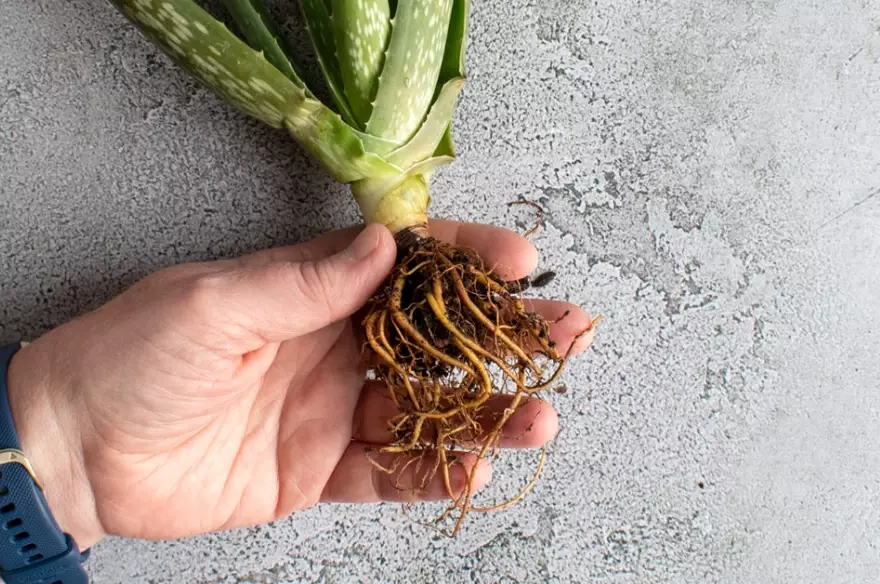
What's Inside This Guide?
What Healthy Aloe Roots Actually Look Like (It's Not What You Think)
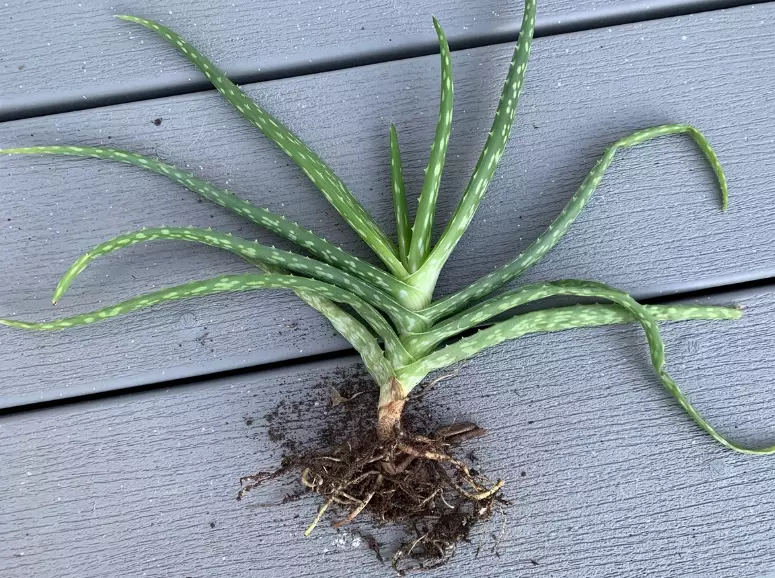
Most people picture thick, carrot-like taproots. Aloe roots are nothing like that. A healthy aloe vera root system is fibrous and extensive—a dense network of pale, fleshy roots that spread out horizontally just below the soil surface. They should be firm to the touch and range in color from white to a light tan. If you gently tug on the plant, there should be a satisfying resistance; those roots are holding on.
Here’s a nuance beginners miss: aloe roots are incredibly efficient but also incredibly vulnerable. They're designed to suck up water quickly during rare desert rains and then hold onto it. This means they have a low tolerance for constantly wet soil. Their efficiency becomes their Achilles' heel in our cozy, over-watered homes.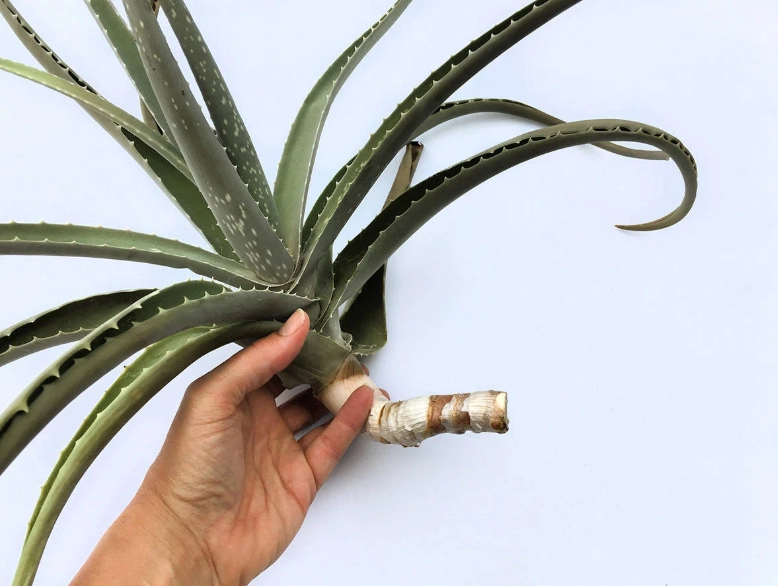
How to Identify and Treat Aloe Vera Root Rot
This is the nightmare scenario. Root rot is a fungal disease caused by overwatering and poor drainage. It's stealthy. By the time you see symptoms in the leaves (yellowing, translucency, mushiness), the roots have been suffering for weeks.
The Telltale Signs You Can't Ignore
Don't wait for the leaves to collapse. If your aloe just looks "off"—it's stopped growing, the lower leaves are softer than usual, or the plant feels loose in its pot—it's time for a root inspection. Gently remove the plant from its pot. Healthy roots are firm and light-colored. Rotten roots are the problem:
- Brown or Black: They've lost their pale, healthy color.
- Mushy and Slimy: They fall apart with a gentle squeeze.
- Smelly: A foul, swampy odor is a dead giveaway.
The Surgery: A Step-by-Step Rescue
If you find rot, don't panic. You can often save the plant. I've brought back aloes that looked like goners.
- Unpot and Clean: Gently remove all soil from the root ball under lukewarm running water.
- Sterilize Your Tools: Use scissors or pruners cleaned with rubbing alcohol.
- Cut Away All Rot: This is critical. Cut back every single soft, brown root until you only see firm, healthy tissue. No compromises.
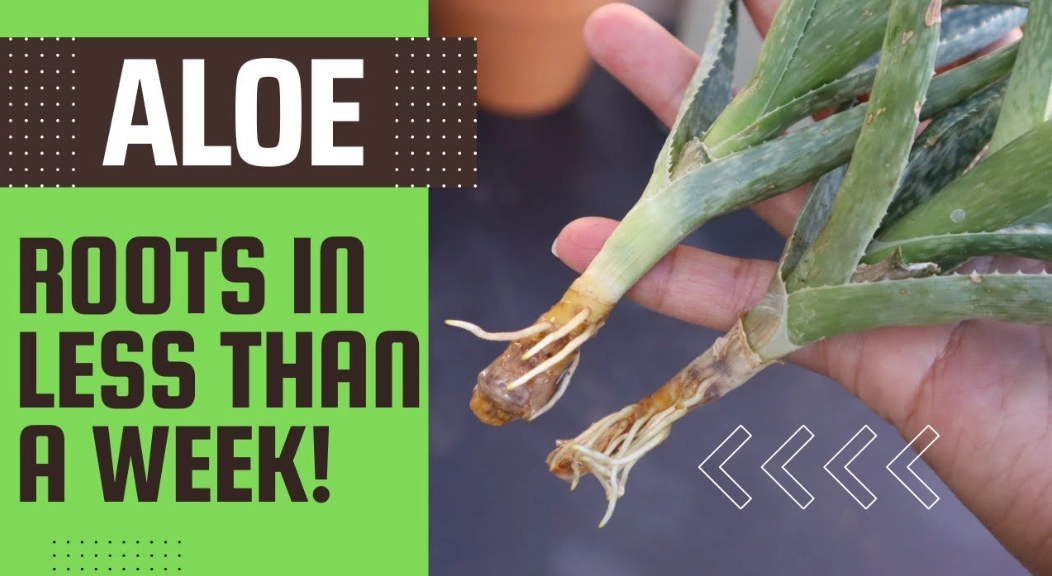
- Let It Callus: This is the step everyone rushes. Place the bare-root plant in a warm, dry, shady spot for at least 3-5 days. The cuts need to dry and form a seal. Potting it up immediately invites new infection.
- Repot in Fresh, Dry Soil: Use a clean pot with excellent drainage and a fast-drying soil mix (we'll get to that). Do not water for at least a week after repotting.
The Step-by-Step Guide to Repotting Aloe Vera (Without the Stress)
Repotting isn't just about upsizing. It's preventive healthcare for the roots. You should do it every 2-3 years, or when you see roots circling the bottom of the pot or growing out the drainage holes.
Timing is Everything: Spring or early summer is ideal. The plant is entering its active growth phase and will recover faster. Avoid repotting in winter when it's dormant.
Here's my tried-and-true process:
1. The Prep Work: Have everything ready—new pot (only 1-2 inches wider in diameter), fresh soil mix, newspaper for the mess, and your tools.
2. The Extraction: Don't just yank. Squeeze the flexible pot or run a knife around the edge. Tip the plant sideways and coax it out, supporting the base.
3. Root Inspection & Pruning: Once it's out, this is your chance. Loosen the old root ball gently. Trim away any dead or excessively long, circling roots. This encourages new growth.
4. The Planting: Add a layer of soil to the new pot. Place the aloe in, making sure the base of the plant sits at the same soil level as before—not deeper. Backfill with soil, tamping gently to remove large air pockets.
5. The Critical Aftercare: Do not water. I repeat, do not water. Place the repotted aloe in bright, indirect light for 5-7 days. This gives any minor root abrasions time to heal before introducing moisture, drastically reducing rot risk.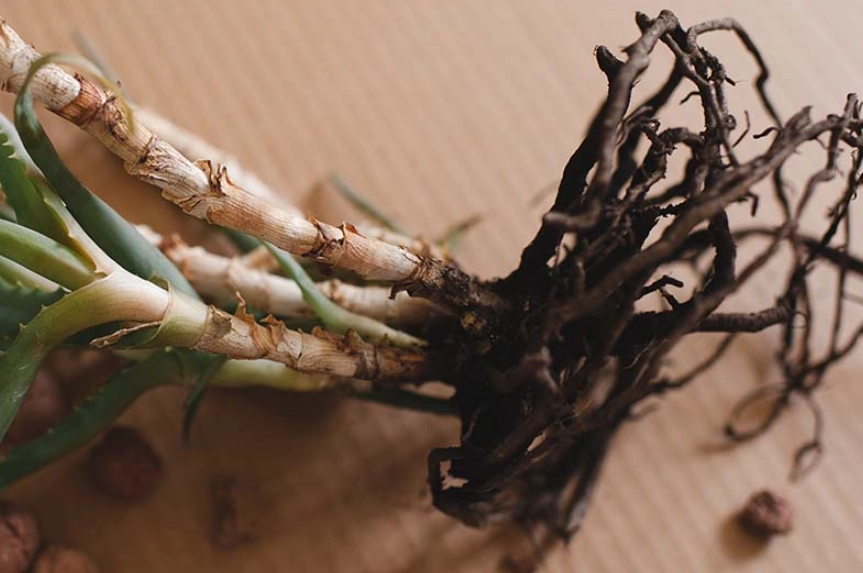
Crafting the Perfect Soil Mix for Aloe Roots
This is where you can make or break your aloe's health. Bagged "cactus mix" from the store is okay, but it's often not gritty enough on its own. Aloe roots need air as much as they need water. My go-to homemade mix is simple:
- 50% Regular Potting Soil: Provides structure and some nutrients.
- 25% Coarse Sand or Grit: Improves drainage dramatically. Horticultural pumice or perlite works even better.
- 25% Coconut Coir or Extra Perlite: For aeration and preventing compaction.
This creates a loose, fast-draining environment that mimics the aloe's natural, gritty habitat. A study from the University of Florida's IFAS Extension emphasizes that well-drained media is the single most important factor in preventing root diseases in succulents.
Here’s a quick comparison of common soil amendments:
| Amendment | Primary Benefit | Best For |
|---|---|---|
| Perlite | Excellent aeration, prevents compaction | All succulent mixes |
| Coarse Sand | Improves weight and drainage | Mimicking natural soil |
| Pumice | Retains some water & air, doesn't float | Professional-grade mixes |
| Peat Moss | Retains moisture | Use sparingly, can become hydrophobic |
You can buy a pre-mix, but honestly, taking 5 minutes to make your own gives you control. I often add a handful of small lava rock to the bottom of the pot for extra drainage insurance.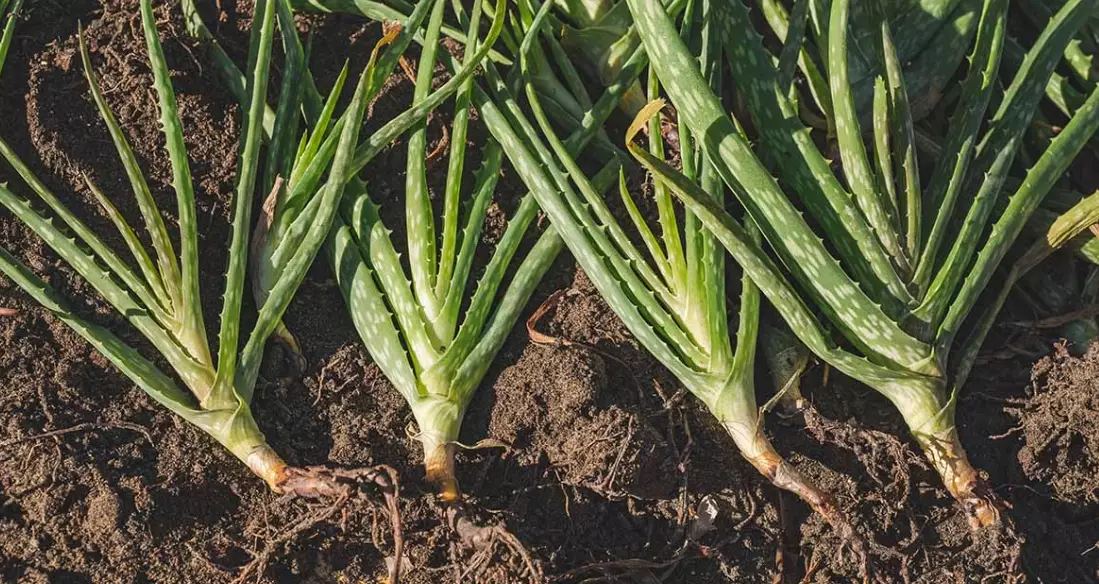
Your Aloe Root Questions, Answered
My aloe's roots are growing out of the drainage hole, but the plant looks fine. Should I repot?
It's a clear signal, but not an emergency. A few exploratory roots out the bottom are normal. If it's a dense tangle blocking the hole, then yes, plan a repot soon. The plant is root-bound, meaning it's exhausted the soil's nutrients and space. Growth will slow down eventually. Schedule the repot for the next growing season if it's late in the year.
Can I propagate aloe vera from just a root?
No, and this is a common misconception that leads to disappointment. Aloe vera cannot be propagated from a root alone. It needs a portion of the stem or, more commonly, a healthy "pup" or offset that has its own nascent root system. A severed root has no meristematic tissue to generate a new plant. Your best bet is always to use the baby plants that grow at the base of the mother.
 How often should I water to promote healthy root growth?
Forget a schedule. The "soak and dry" method is the gold standard. Water deeply until it runs out the drainage hole, then let the soil dry out completely—all the way to the bottom of the pot. Stick your finger in the soil; if it's dry at a depth of 2 inches, it's time. This cycle of deep drought followed by a thorough drink encourages roots to grow strong and deep searching for moisture, which builds a resilient plant. In winter, this might mean watering only once a month or less.
I treated root rot and repotted. Now my aloe looks wobbly and unstable. What's wrong?
This is normal and actually a good sign. You've removed a significant portion of the root system. The remaining roots need time to regrow and anchor the plant firmly in the new soil. Avoid the temptation to over-water to "help" it. Provide bright, indirect light and ensure the soil is well-draining. The stability will return in a few weeks as new roots develop. You can use a few small rocks around the base for temporary support if it's really tipping over.
Are terracotta or plastic pots better for aloe roots?
Terracotta wins, hands down, especially if you're prone to overwatering. The porous clay allows the soil to dry out from the sides as well as the top, providing superior aeration for the roots. Plastic pots retain moisture much longer. If you use plastic, you must be extra vigilant with your watering and ensure your soil mix is exceptionally gritty. For beginners, a terracotta pot is a safer choice—it's like giving your plant a built-in safety net.
Comments