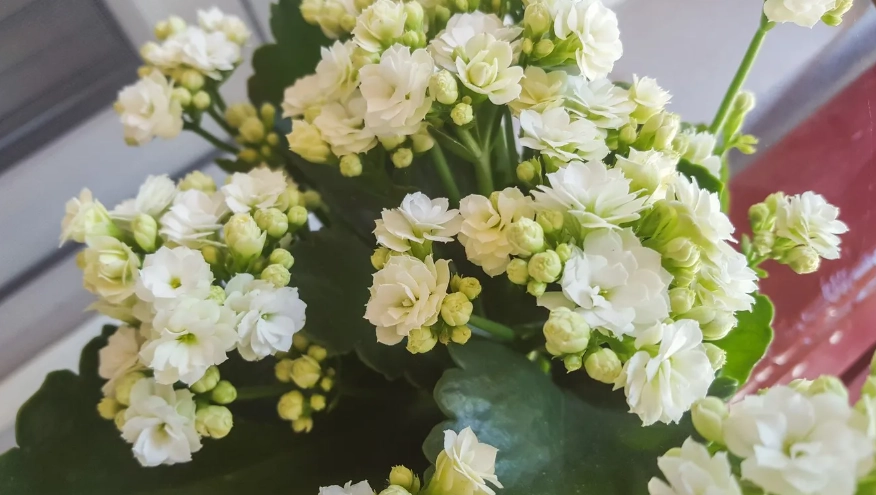
You brought home a Calandiva, that stunning pot of tightly packed, rose-like blooms. It was perfect. Now, a few months later, the flowers are gone, maybe the leaves look sad, and you're searching for answers. I've been there. Over a decade of growing these and their close relatives (the single-flowered Kalanchoe blossfeldiana) has taught me that Calandiva care isn't hard, but it's specific. Get a few things wrong, and it sulks. Get them right, and it's one of the most rewarding, long-blooming houseplants you can own. This guide cuts through the generic advice and gives you the actionable details you need.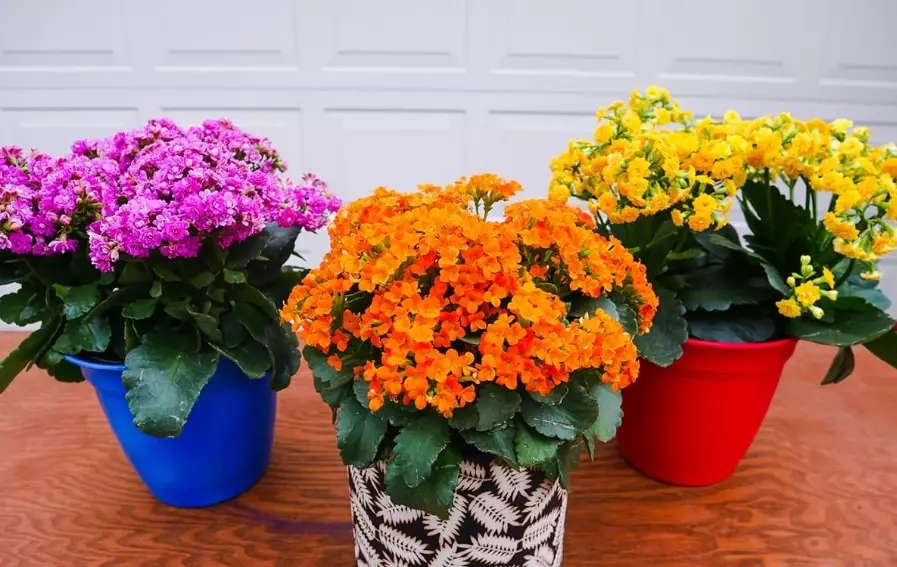
What You'll Learn Inside
What Exactly Is a Calandiva Plant?
Let's clear this up first. A Calandiva® is a cultivated variety of Kalanchoe blossfeldiana. The key difference is in the flowers. While the classic Kalanchoe has four petals per flower, the Calandiva is a double-flowered mutation, meaning each bloom is packed with many more petals, creating that dense, miniature rose appearance. It's a succulent, storing water in its fleshy leaves and stems. This fact is the cornerstone of all care—it hates wet feet. The Royal Horticultural Society, a leading gardening authority, lists Kalanchoe blossfeldiana as a tender succulent, which applies directly to Calandiva.
When you buy one, it's almost always in a small, plastic nursery pot inside a decorative cover. That setup is a ticking time bomb for overwatering. We'll fix that.
Getting the Light Right (The Biggest Mistake)
Here's the non-consensus part: everyone says "bright, indirect light." That's only half the story for blooms. To get your Calandiva to reflower, it needs a significant amount of direct sunlight during its growing season (spring to fall).
Think of a sunny windowsill. An east or west-facing window is ideal, providing several hours of direct sun. A south-facing window works if you filter the harsh midday summer sun with a sheer curtain. North-facing windows rarely provide enough light for flowering.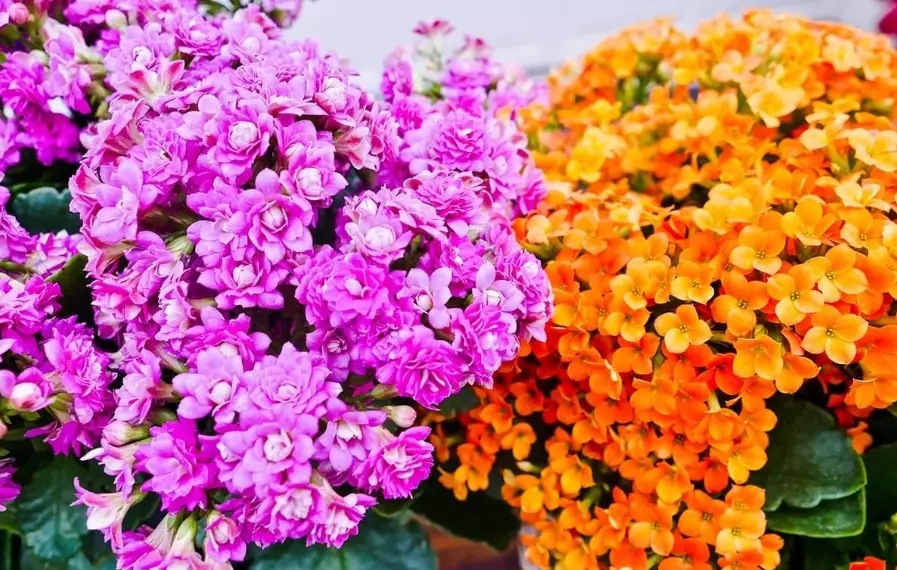
In winter, when it's not actively growing or trying to bloom, bright indirect light is perfectly fine.
The Foolproof Watering System
Overwatering is the #1 killer. You must unlearn the habit of watering on a schedule (like every Saturday). Instead, water based on the plant's needs and the soil's condition.
How to Check When to Water
Stick your finger about an inch into the soil. If it feels completely dry, it's time. You can also lift the pot. A dry pot feels surprisingly light compared to a freshly watered one. The leaves will also feel slightly less firm when thirsty, but don't wait until they wrinkle.
The Right Way to Water
Take the plant to the sink. Water thoroughly until you see water flowing freely out of the drainage holes. This ensures the entire root ball gets moistened. Let it drain completely before putting it back in its decorative pot. Never let it sit in a saucer of water. Empty the saucer or cachepot 15 minutes after watering.
Soil and Potting: The Foundation of Health
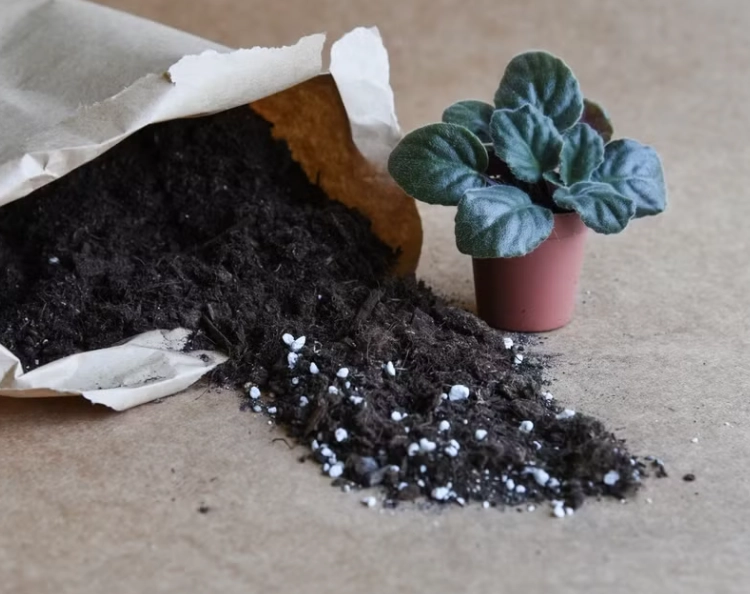
That dense, peaty soil it came in? It retains too much moisture for long-term health. When you repot (which you should do after the first bloom, or if the plant is root-bound), use a fast-draining mix.
My homemade mix: 2 parts regular potting soil, 1 part perlite, and 1 part coarse sand or orchid bark. This creates the sharp drainage succulents crave. You can also use a pre-mixed cactus and succulent soil, but I often add a handful of extra perlite to it.
Pot choice matters. Always use a pot with drainage holes. Terracotta pots are excellent because they are porous and help wick away excess moisture. When repotting, only go up one pot size (e.g., from a 4-inch to a 5-inch pot). A pot that's too large holds wet soil for too long around the roots.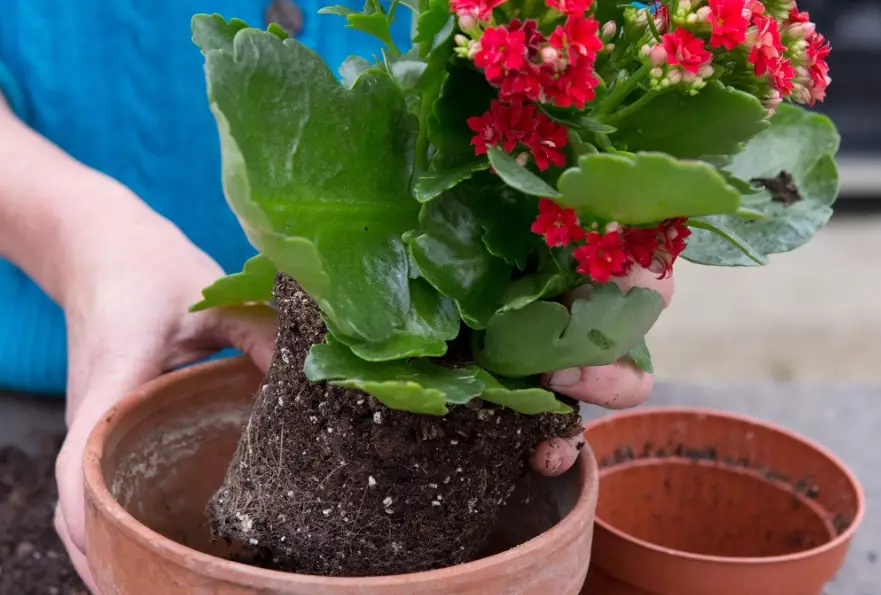
Feeding and Forcing Blooms
Calandivas are not heavy feeders. During the active growing season (spring and summer), feed them once a month with a balanced, water-soluble fertilizer diluted to half strength. A 10-10-10 or 20-20-20 formula works. Stop feeding in fall and winter.
The Blooming Secret: Day Length
This is the magic trick. Calandivas are "short-day plants." They initiate flower buds when they experience long nights (at least 14 hours of uninterrupted darkness). This naturally happens in fall/winter, which is why they often bloom in stores around holidays.
To force reblooming: For about 6 weeks, you need to simulate these long nights. Starting in early fall, place your plant in a completely dark closet or cover it with a box from 6 PM to 8 AM every day. During the day, give it its normal bright light. After this treatment, you should see tiny flower buds forming. Then, return it to normal light conditions.
Most people miss this step entirely and wonder why their plant never flowers again.
Pruning and Making More Plants
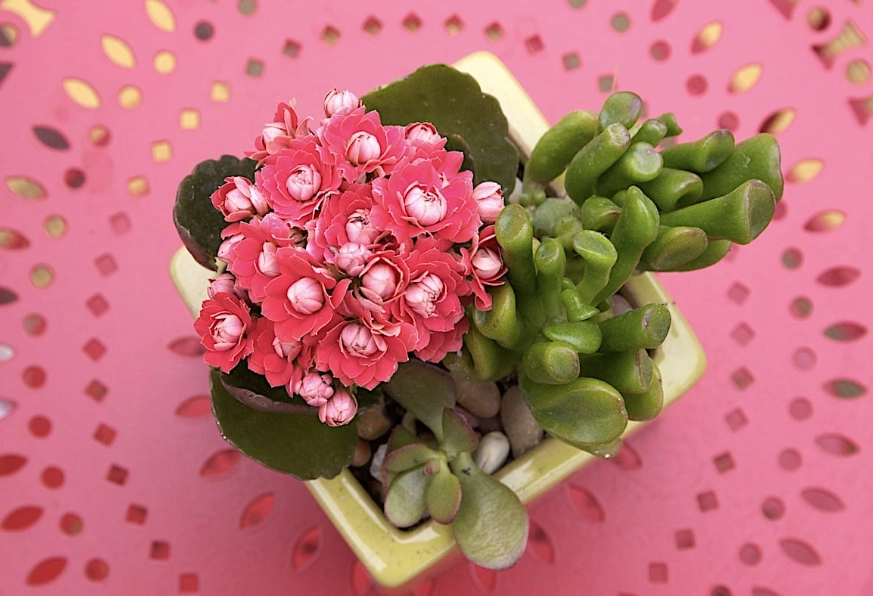
After the flowers fade, don't just deadhead the old blooms. Give the plant a good haircut. Use clean, sharp scissors or pruners to cut back the flowering stems by about one-third. This encourages bushier growth. You can be quite aggressive—these plants bounce back well.
Those prunings are your ticket to free plants. Propagation is easy.
- Let the cut end of a stem cutting callous over for a day or two.
- Stick it into a small pot of the well-draining soil mix described above.
- Water lightly and place in bright, indirect light.
- Wait. In a few weeks, it should root. Resist the urge to overwater during this phase.
Diagnosing Common Calandiva Problems
Here’s a quick-reference table to troubleshoot what’s going wrong.
| Symptom | Likely Cause | How to Fix It |
|---|---|---|
| Leaves turning soft, mushy, and yellow/brown | Overwatering / Root Rot | Stop watering immediately. Check roots. If brown and mushy, cut away rot, repot in dry soil. May need to take healthy stem cuttings to restart. |
| Leaves wrinkled, dry, crispy | Underwatering or extreme heat/low humidity | Give the plant a thorough soak. If soil is bone dry and pulling away from pot edges, it may need bottom-watering to rehydrate. |
| Leggy growth, large gaps between leaves | Insufficient Light | Move to a brighter location with some direct sun. Prune back leggy stems to encourage bushiness. |
| Brown, crispy leaf edges or spots | Sunburn (if in harsh direct sun) or salt/mineral buildup from tap water | Move out of intense afternoon sun. Try watering with filtered or rainwater if your tap water is very hard. |
| No flowers after the initial bloom | Insufficient light and/or missing the long-night cycle | Ensure bright light with direct sun during growth period. Implement the 14-hour darkness treatment for 6 weeks in fall. |
| Powdery white residue on leaves | Powdery Mildew (fungal issue from poor air circulation) | Improve airflow. Isolate plant. Wipe leaves with damp cloth. In severe cases, use a fungicide labeled for mildew. |
Expert Answers to Your Tricky Questions
Why are the bottom leaves on my Calandiva turning yellow and falling off?
Can I put my Calandiva outside in the summer?
 My Calandiva's flowers are dying, what do I do?
Is a Calandiva toxic to pets?
How long do Calandiva plants typically live?


Comments