That blank, sun-baked patch in your yard. You know the one. It gets blasted from morning till evening, the soil feels warm to the touch by 10 AM, and every spring you're tempted to just throw down some mulch and call it a day. I've been there. For years, I watched my attempts at shade-loving impatiens wither into crispy brown sticks within a week. Then I discovered the world of full sun annuals, and it changed everything. These aren't just survivors; they're revelers. They drink up the sunlight and transform it into an explosion of color that lasts from late spring right up to the first hard frost. Let's talk about how to make that happen in your garden.
What's Inside
What "Full Sun" Really Means (It's Not What You Think)
Here's the first trap most new gardeners fall into. The tag says "full sun," so you plant it in the most exposed spot you have. Sounds right. But "full sun" in gardening terms means at least 6 to 8 hours of direct, unfiltered sunlight per day. It doesn't necessarily mean the Sahara Desert at high noon all day long.
Many full sun annuals actually appreciate a bit of respite from the intense late afternoon sun, especially in USDA zones 7 and higher. A spot that gets sun from morning until mid-afternoon is often better than one that gets scorching sun from 11 AM to 7 PM. I learned this the hard way with some delicate-leaved salvias that fried in my west-facing bed.
The other half of the equation is soil temperature and moisture. Full sun areas dry out faster. The soil heats up, accelerating evaporation. This is why pairing the right plant with the right preparation is non-negotiable. You can't just plop a thirsty plant into hot, dry dirt and expect a miracle.
The A-List: My Top Full Sun Annuals for Guaranteed Impact
After a decade of trial and error (and more than a few plant funerals), I've settled on a core group of performers. These are the plants that don't just tolerate the sun—they demand it. They're relatively low-maintenance, bloom their heads off, and come in enough colors and forms to suit any design.
Forget vague descriptions. Here’s the actionable data you need to make a choice.
| Plant (Common Name) | Key Characteristics & Why It's a Winner | Height/Spread | Design Tip & Personal Note |
|---|---|---|---|
| Zinnia | The undisputed champion of the cut-flower, full-sun garden. Blooms in almost every color except true blue. Extremely fast from seed. Attracts butterflies like crazy. | 1' - 3' / 1' - 1.5' | Plant in masses for a jaw-dropping effect. The 'Benary's Giant' series has strong stems perfect for vases. My only gripe? They can get powdery mildew if air circulation is poor. |
| Vinca (Catharanthus) | Glossy green leaves and pinwheel flowers. This plant is the choice for brutal, humid heat. It's drought-tolerant once established and remarkably pest-free. | 1' - 1.5' / 1' | Perfect for borders and containers. Do not overwater! I killed my first batch by being too nurturing. Let the soil dry out between waterings. |
| Marigold | A classic for a reason. Pest-repellent properties (nematodes), incredibly easy from seed. The citrusy scent is divisive—I love it, some hate it. | 6" - 2' / 6" - 1' | French Marigolds (smaller) are great for edging. African Marigolds (larger) make bold statements. They can look a bit stiff; pair with softer grasses or trailing plants. |
| Portulaca (Moss Rose) | Succulent-like foliage and vibrant, rose-like flowers that close at night. Thrives in poor, sandy, dry soils where other plants give up. | 6" / 1' (trails) | Ideal for rock gardens, stone walls, or the front of a hot border. Also fantastic in hanging baskets in full sun. Water very sparingly. |
| Sunflower (Annual) | Pure joy. Fast-growing, dramatic, and supports pollinators and birds. New dwarf varieties are perfect for small spaces. | 2' - 10'+ / 1' - 3' | Stake tall varieties early. Plant a succession every 2 weeks for continuous blooms. 'Autumn Beauty' mix has stunning reds and bronzes. |
| Celosia | Architectural and textural. Comes in brain-like crests (cockscomb) or feathery plumes. Color holds incredibly well, even when dried. | 1' - 2' / 6" - 1' | Adds a "wow" factor. The plumed types are easier to blend into designs. They need good drainage more than anything else. |
This is just the starting lineup. Others that earn honorable mentions: Lantana (butterfly magnet), Cleome (tall and airy, self-seeds), and Salvia farinacea (spikes of blue or white, very drought tolerant).
Planting and Care: The Non-Negotiable Rules for Success
You can buy the best plants and still fail if you ignore the setup. This is where most internet advice gets too generic. Let's get specific.
Soil Preparation is Everything
Don't just dig a hole. For full sun beds, you need to accomplish two things: improve moisture retention and ensure nutrients are available.
Work in 3-4 inches of compost or well-rotted manure across the entire bed, not just the holes. This improves soil structure. If your soil is heavy clay, add some coarse sand or perlite for drainage. If it's sandy, the compost is even more critical. A balanced, slow-release granular fertilizer mixed into the soil at planting time sets them up for months of growth. I like using a product like Osmocote.
The Watering Deeply Principle
This is the most common mistake. Light, frequent sprinkling teaches roots to stay near the surface, where they'll fry. Your goal is to train deep, resilient roots.
- Method: Use a soaker hose or water slowly at the base of the plant.
- Frequency: Water thoroughly when the top 1-2 inches of soil are dry. This might be every 3-4 days in a heatwave, or once a week in milder weather.
- Check: Push a screwdriver or your finger into the soil after watering. It should slide in easily to a depth of 6 inches.
Feeding for Continuous Blooms
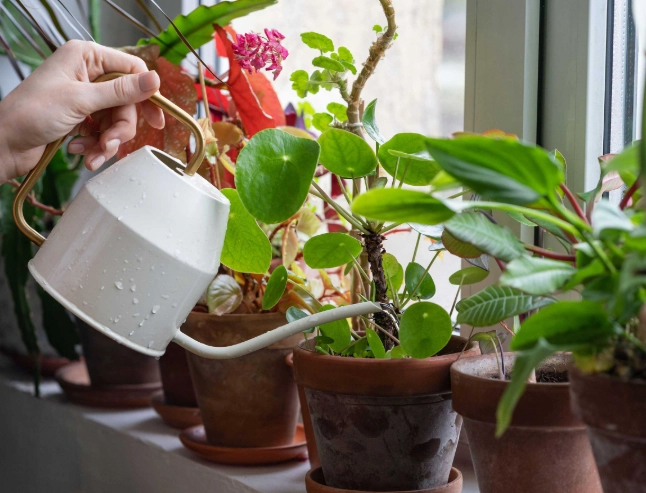
Annuals are blooming machines, and that takes energy. The slow-release fertilizer at planting gets them started, but for a non-stop show, you need supplemental feeding. Every two weeks, use a liquid fertilizer high in phosphorus (the middle number on the bottle, like 10-30-20). This promotes flowering over leafy growth. I mix mine in a watering can and apply it in the morning.
The Deadheading Mandate
If you do nothing else, do this. Deadheading—removing spent flowers—tells the plant to produce more blooms instead of setting seed. For Zinnias and Marigolds, pinch the flower stem just above the next set of leaves. For mass plantings like Sweet Alyssum, you can use garden shears to give them a light "haircut" every couple of weeks.
Garden Design Tips for a Cohesive Look
Throwing a bunch of colorful plants together can look chaotic. Here’s how to make it sing.
Layer by height. Put tall plants (Sunflowers, Cleome) in the back or center of an island bed, medium (Zinnias, Celosia) in the middle, and short/spillers (Portulaca, low Marigolds) at the front.
Consider color themes. A hot bed of red, orange, and yellow Zinnias and Marigolds is electrifying. A cooler scheme of white Vinca, blue Salvia, and purple Verbena is soothing. Don't be afraid to mix in foliage plants like silvery Dusty Miller to give the eye a rest.
Plant in groups. Planting in drifts of 3, 5, or 7 of the same plant has far more visual impact than a "one of everything" approach. It creates rhythm and blocks of color.
My favorite combination last year was a simple one: a drift of tall, orange Zinnias in the back, a middle row of deep blue Salvia, and a front edge of trailing white Sweet Alyssum. It was low-maintenance and stunning for months.

Comments