The jade plant, Crassula ovata, is that classic succulent that seems to grace every other windowsill. It's famous for its plump, glossy leaves and tree-like growth, often nicknamed the "money tree" for the good fortune it's supposed to bring. But here's the thing I've learned after killing a few and nurturing many over the years: its reputation as an unkillable beginner plant is a bit misleading. It's tough, sure, but it has very specific, non-negotiable needs. Get those right, and you'll have a companion for decades that can grow into a proper miniature tree. Get them wrong, and you'll be left with a pot of mushy stems or wrinkled leaves, wondering what happened.
This guide skips the generic advice. We're going deep into the how and, more importantly, the why behind jade plant care. I'll share the mistakes I made so you don't have to, and the little tricks that turned my sad-looking jade into a robust, sculptural centerpiece.
What You'll Learn in This Guide
How to Water a Jade Plant Correctly (This is Where Most Fail)
Overwatering is the number one killer of jade plants. Those thick leaves store water, allowing the plant to survive drought. Your goal is to mimic a desert downpour followed by a long dry spell.
Forget the calendar. Telling someone to "water every two weeks" is terrible advice. The right interval depends on your home's light, temperature, humidity, and the pot size. Instead, you need to check the soil.
How to water properly: When you do water, do it thoroughly. Take the plant to the sink and pour water evenly over the soil until it runs freely out of the drainage holes. This ensures the entire root ball gets moisture. Let it drain completely before putting it back in its decorative pot or saucer. Never let the pot sit in standing water.
A sign I often see missed: leaf texture. Plump, firm leaves mean the plant is well-hydrated. Slightly soft, slightly wrinkled leaves mean it's thirsty. Mushy, translucent leaves? That's overwatering and potential root rot.
Seasonal Watering Adjustments
Your jade's thirst changes with the seasons. In spring and summer, during active growth, it will need water more frequently—perhaps every 10-14 days under bright light. In fall and winter, it enters a semi-dormant state. Stretch watering to every 3-6 weeks. I've gone a full month in a cool, dim winter room without watering, and the plant was perfectly happy.
What is the Best Soil and Light for a Jade Plant?
Light and soil work together. Great light allows you to use a grittier soil that drains faster, which is exactly what jade roots crave.
Light Requirements: The More, The Better (With a Caveat)
Jade plants need bright, indirect light to thrive and maintain a compact, tree-like shape. An east or west-facing window is ideal. A south-facing window is great, but you might need to diffuse the harshest midday summer sun with a sheer curtain to prevent leaf scorch (you'll see brown, crispy patches).
Can they tolerate low light? They'll survive in lower light for a while, but growth will be very slow, leaves may drop, and the stem will likely become leggy. It's a slow decline. If you only have a north-facing window, consider supplementing with a grow light for a few hours a day.
Crafting the Perfect Soil Mix
Store-bought "cactus and succulent" mix is a good start, but it's often still too moisture-retentive on its own. I always amend it. Here's my go-to recipe:
Basic DIY Jade Soil Mix:
- **2 parts bagged cactus/succulent potting mix** (provides some structure and nutrients).
- **1 part perlite or pumice** (for aeration and drainage).
- **1 part coarse sand** (not fine play sand, which compacts). Horticultural grit or chicken grit works wonders.
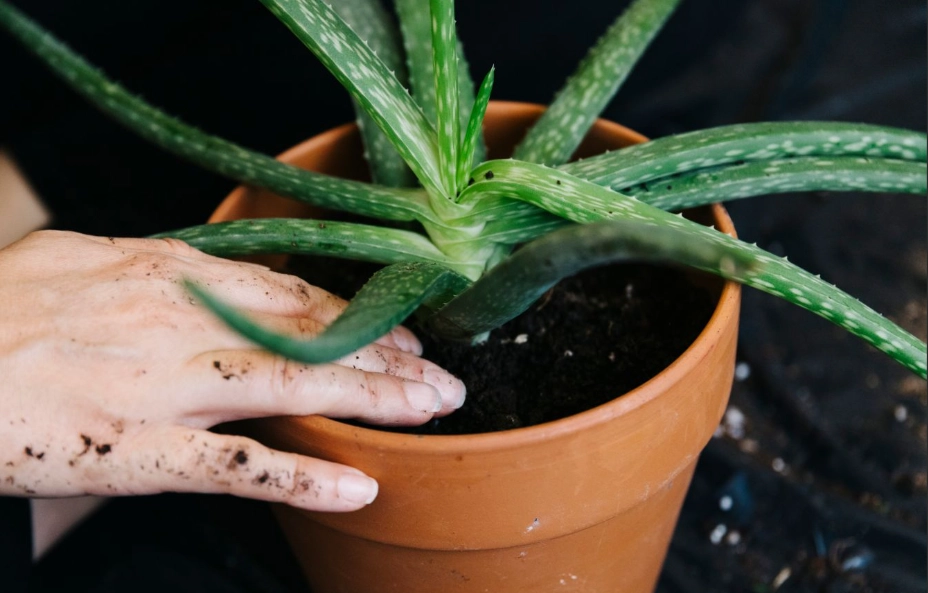
This creates a loose, fast-draining, gritty medium that prevents water from lingering around the roots. The pot is crucial too—always use a pot with a drainage hole. Terracotta pots are excellent because they are porous and help wick away excess moisture.
How to Propagate a Jade Plant from a Single Leaf or Stem Cutting
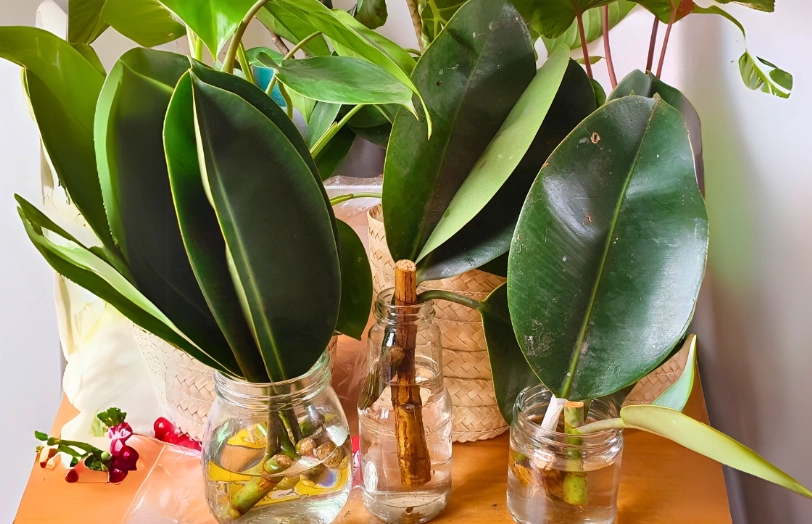
This is the fun part. Jade plants are incredibly easy to propagate, which is why they're often passed down through generations. You can create new plants for free.
Method 1: Stem Cuttings (Faster, establishes a plant quicker)
- Using clean, sharp scissors or pruners, cut a healthy stem that's at least 2-3 inches long. Make a clean cut.
- Let the cutting dry out (callous over) for 2-5 days in a shady spot. This prevents rot when you plant it. The cut end should look dry and sealed.
- Once calloused, stick the cutting about an inch deep into your prepared gritty soil mix. Don't water it yet.
- Wait about a week, then give the soil a light sprinkle of water. Keep the soil barely moist, not wet. Place in bright, indirect light.
- In 3-6 weeks, you should feel resistance if you give the cutting a gentle tug, meaning roots have formed. Then you can begin a normal, sparse watering routine.
Method 2: Leaf Propagation (Slower, but you can make many from one plant)
- Gently twist a healthy, plump leaf from the stem, ensuring you get the entire base.
- Lay the leaf on top of dry soil in a bright spot. Do not bury it.
- Ignore it. Seriously. In a few weeks, you'll see tiny pink roots emerging from the base, followed by a microscopic rosette of leaves. Only when the mother leaf has shriveled and the new plantlet has grown a bit should you start lightly watering the soil around it.
Common Jade Plant Problems and How to Fix Them
Let's diagnose some common issues. I see these questions all the time.
Drooping or Wrinkled Leaves: This is usually underwatering. The plant is using its stored water. Give it a good, thorough soak. The leaves should plump up in a day or two. If they don't, check the roots—chronic underwatering can also damage them.
Yellowing, Mushy Leaves Falling Off: Classic overwatering and potential root rot. Stop watering immediately. Check the roots. If they are brown, black, and slimy, you need to perform surgery. Cut away all rotten roots, let the plant dry out for a few days, and repot in fresh, dry, gritty mix. Water very sparingly until you see new growth.
Leggy, Stretched Growth: Insufficient light. Gradually move it to a brighter location. You can also prune the leggy stems back to a node to encourage bushier growth. Don't throw those cuttings away—propagate them!
Mealybugs: These look like tiny bits of white cotton in leaf crevices and stems. Isolate the plant. Dab them with a cotton swab dipped in rubbing alcohol. For larger infestations, spray with insecticidal soap or neem oil solution, making sure to get under leaves. Repeat weekly until gone.
Your Jade Plant Questions Answered (Beyond the Basics)
My jade plant's leaves are developing brown, crispy spots. What's wrong?
This is typically sunburn. Jade plants love light, but if a plant not acclimated to strong sun is suddenly placed in a south-facing window with intense afternoon rays, the leaves can scorch. The damage is permanent on those leaves, but the plant will be fine. Move it to a spot with bright but indirect light, or use a sheer curtain to filter the harshest sun. New growth will be healthy.
Should I fertilize my jade plant, and if so, with what?
Yes, but sparingly. They are not heavy feeders. Use a balanced, water-soluble fertilizer diluted to half-strength (like a 10-10-10 or one labeled for succulents). Fertilize only during the active growing season (spring and summer), about once a month at most. Do not fertilize in fall and winter. Over-fertilizing leads to weak, soft growth and can burn the roots.
How do I get my jade plant to look more like a tree and less like a shrub?
This requires strategic pruning and patience. As your plant matures, identify a few strong, upright stems to be your main "trunks." Carefully prune away the smaller, lower-growing branches and any leaves from the lower portion of these trunks. This directs energy upward and creates the classic tree-like form. Always prune just above a leaf node (where leaves emerge), as new growth will sprout from there. Do this in the spring. The pruned material? More plants for you.
Can I put my jade plant outside in the summer?
Absolutely, and many benefit from it. The key is acclimation. Don't move it from a dim indoor spot directly to full outdoor sun. Start by placing it in deep shade for a week, then move to dappled light, then finally to a spot with morning sun and afternoon shade. Bring it back indoors well before the first frost in fall. Outdoor summer growth is often more robust and colorful.
Why are the edges of my jade plant's leaves turning red?
Relax, this is usually a good sign! It's called "sun stress" or "blushing." When a jade plant receives ample bright light (especially some direct sun), it often produces anthocyanin pigments, leading to beautiful red or purple edges on the leaves. It's a sign of a happy, well-lit plant and is highly desirable among succulent growers. It's not harmful.
The jade plant's charm is in its longevity and sculptural form. It's not a plant you buy, enjoy for a season, and discard. It's a living heirloom. By understanding its simple but strict needs—deep but infrequent watering, gritty soil, and plenty of light—you're not just keeping a plant alive. You're cultivating a resilient, beautiful piece of living decor that can grow with you for years, even decades. Start with the basics, observe how your plant responds, and don't be afraid to prune or propagate. That's how you build a relationship with this classic succulent.


Comments