Let's get straight to it. You bought a Swiss Cheese Monstera (that's Monstera adansonii for the botanically inclined), attracted by those wild, hole-riddled leaves. Now it's sitting on your shelf, and a quiet panic sets in. Is it getting enough light? Why isn't it making more holes? Is that brown spot a death sentence?
Relax. I've killed a few of these to learn how to keep them alive. Over a decade of growing these vines, I've seen every mistake. The good news? This plant is tougher than its delicate looks suggest. It's all about understanding what it wants—which isn't what most blogs tell you.
What's Inside This Guide?
- The Real Deal on Light (No Holes? Blame This)
- Watering: The #1 Killer and How to Avoid It
- Soil & Potting: The Foundation Everyone Gets Wrong
- Humidity & Temperature: The Comfort Zone
- Feeding, Pruning & Training Your Vine
- Propagation: Making Free Plants is Easy
- Troubleshooting Yellow Leaves, Pests & Other Drama
Light Requirements: Where to Put It for Maximum Holes
Here's the first non-consensus tip: your Swiss Cheese Monstera doesn't want "bright, indirect light." That's too vague. It wants consistent, medium to bright indirect light for at least 6-8 hours a day.
Think of an east-facing window where it gets gentle morning sun. A west-facing window works if filtered by a sheer curtain. A south window is great in winter, but might need some shading in summer. North windows? Usually a recipe for disappointment—small leaves, long gaps between them (leggy growth), and few to no fenestrations (those iconic holes and splits).
Fenestration Fact: Those holes aren't just for looks. In the wild, they allow wind and heavy rain to pass through large leaves, preventing damage. The plant only invests energy in making them when it feels it has enough light resources to support such a large leaf structure.
If your light is low, get a grow light. A simple LED bulb in a desk lamp, placed 12-18 inches away for 8-10 hours, works wonders. I've seen plants under lights develop more intricate fenestrations than some in my brightest windows.
Watering: The Biggest Mistake You're Probably Making
Overwatering. That's it. That's the killer. The Swiss Cheese Monstera is an epiphyte—in nature, its roots cling to trees and get air. They hate sitting in soggy soil.
Forget the calendar. Watering on a strict schedule (every 7 days) is a recipe for disaster. Soil conditions change with seasons, light, and humidity.
Here's what you do instead: Stick your finger in the soil. Go down about 2 inches. If it feels dry, water thoroughly. If it's still damp, wait. In winter, you might wait 2-3 weeks. In summer, maybe once a week.
When you water, do it properly. Take the plant to the sink and water until it runs freely out the drainage holes. This ensures the entire root ball gets hydrated. Let it drain completely before putting it back in its decorative pot.
Classic Mistake: Using a pot that's too big. A small plant in a huge pot means soil stays wet for too long around the tiny root system, inviting root rot. Always repot into a container only 1-2 inches larger in diameter.
Soil & Potting: Building the Right Foundation
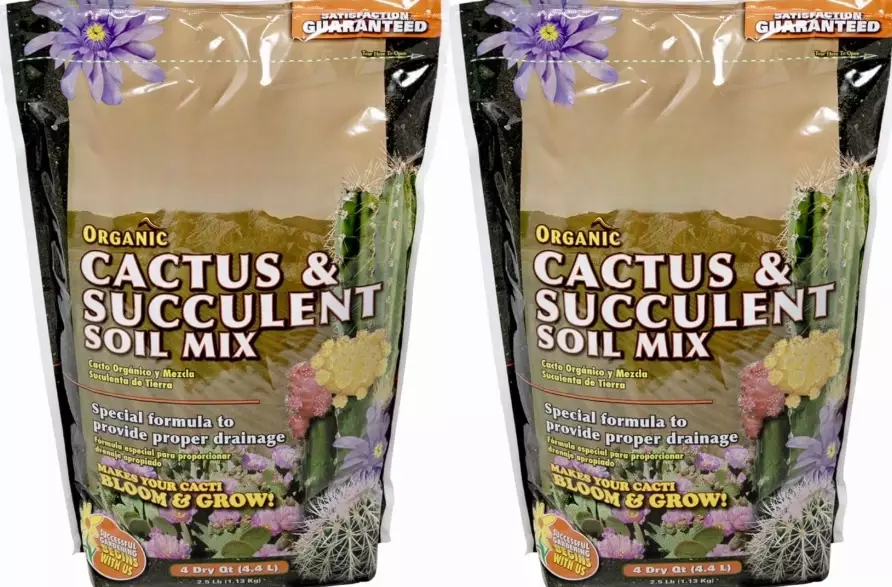
You can't just use any potting mix from the grocery store. It's too dense. Remember the epiphytic roots? They need air.
Make your own mix: Start with a base of high-quality potting soil (I like the brand from the local nursery), and add perlite, orchid bark, and a bit of charcoal. A simple 50% potting soil + 50% perlite/orchif bark mix works wonders. The goal is to have a soil that drains quickly but retains some moisture.
| Soil Component | Purpose | Ratio |
|---|---|---|
| Potting Soil | holds nutrients | 50% |
| Orchid Bark | adds air pockets, mimics bark | 25% |
| Perlite/Pumice | improves drainage | 25% |
| Optional: Charcoal | keeps soil fresh | a handful |
Repot every 1-2 years in spring or early summer. Don't just dump it in a bigger pot. Gently loosen the root ball, shake off old soil, and place it in the new mix.
Humidity & Temperature: The Comfort Zone
This plant is tropical but adaptable. Average household humidity (around 40-50%) is usually fine. If your air is very dry (winter heating), you might see brown, crispy leaf edges.
To boost humidity: Group plants together, use a pebble tray, or get a small humidifier. Misting? It provides a temporary boost but can promote fungal issues if overdone. I skip it.
Temperature is easy: keep it between 65°F and 85°F (18°C - 29°C). Avoid cold drafts from windows or hot blasts from heaters.
Feeding, Pruning & Training Your Vine
Fertilizing: Feed during the growing season (spring and summer). Use a balanced, water-soluble fertilizer (like a 10-10-10 or 20-20-20) diluted to half strength, every 4-6 weeks. Stop feeding in fall and winter. Over-fertilizing causes more harm than under-fertilizing—it can burn roots and cause leaf tip burn.
Pruning: Don't be scared to cut it. Pruning encourages bushier growth. Snip just above a leaf node (the little bump on the stem where a leaf grows). You can control its size and shape. Use clean, sharp scissors.
Support: It's a vine. It wants to climb. Giving it a moss pole or trellis encourages larger leaves and more dramatic fenestrations. Attach the stems loosely with plant ties or soft string.
Propagation: Making Free Plants is Easy
This is the fun part. Take a cutting with at least one node (and preferably one leaf). Pop it in a jar of water, making sure the node is submerged. Change the water weekly. In 2-6 weeks, you'll see roots. Once they're a few inches long, pot it up.
You can also propagate directly in moist sphagnum moss or soil. I prefer water because you can see the progress.
Troubleshooting: Yellow Leaves, Pests & Other Drama
Yellow Leaves
Older leaves turning yellow slowly: Natural aging. Pluck them off.
Many leaves yellowing, especially new growth: Classic overwatering/root rot. Check the roots.
Yellow leaves with dry soil: Underwatering. Soak it.
Yellow patterns between veins: Could be nutrient deficiency. Try a weak fertilizer.
Brown Spots/Crispy Edges
Usually low humidity or inconsistent watering. Increase humidity and check your watering routine. Could also be sunburn from direct light.
Pests
Watch for spider mites (tiny webs), mealybugs (white fluff), or fungus gnats (little flies). Isolate the plant. Wipe leaves with insecticidal soap or neem oil. For gnats, let the soil dry out more between waterings.
No Holes (Fenestration)
Not enough light. Move it to a brighter spot or add a grow light.
Quick Care Questions Answered
Why is my Swiss Cheese Monstera turning yellow and drooping?
Almost always overwatering. The roots are suffocating and rotting. Check the soil. If it's soggy, let it dry out completely. If the plant is very droopy, you might need to check the roots for rot, trim the bad parts, and repot in fresh, well-draining soil. Water only when the top two inches are dry.
Can I put my Swiss Cheese Monstera in a north-facing window?
It will survive, but it won't thrive. Growth will be slow, leaves will be smaller, and you'll likely see few or no holes. For the classic "Swiss cheese" look, it needs more light. An east or west window is ideal, or supplement with a grow light.
What's the best soil mix for a fast-growing Swiss Cheese Monstera?
Ditch the dense, all-purpose mix. Create an airy, chunky blend. I use 50% high-quality potting soil, 30% orchid bark, and 20% perlite. This provides nutrients, mimics its natural climbing substrate, and ensures roots get oxygen. Repot every 1-2 years in spring, only going up one pot size.
How do I make my Swiss Cheese Monstera bushier instead of leggy?
Leggy means it's stretching for light. First, give it more light. Then, prune it back in the growing season. Cut just above a leaf node. Propagate those cuttings in water. Once they root, plant them back into the mother pot around the edges. This fills out the base beautifully.
The Swiss Cheese Monstera is a rewarding plant. It communicates its needs clearly—you just have to learn its language. Pay attention to light and water, give it something to climb, and don't fuss over it too much. It's more resilient than you think. Now go check your soil moisture.

Comments